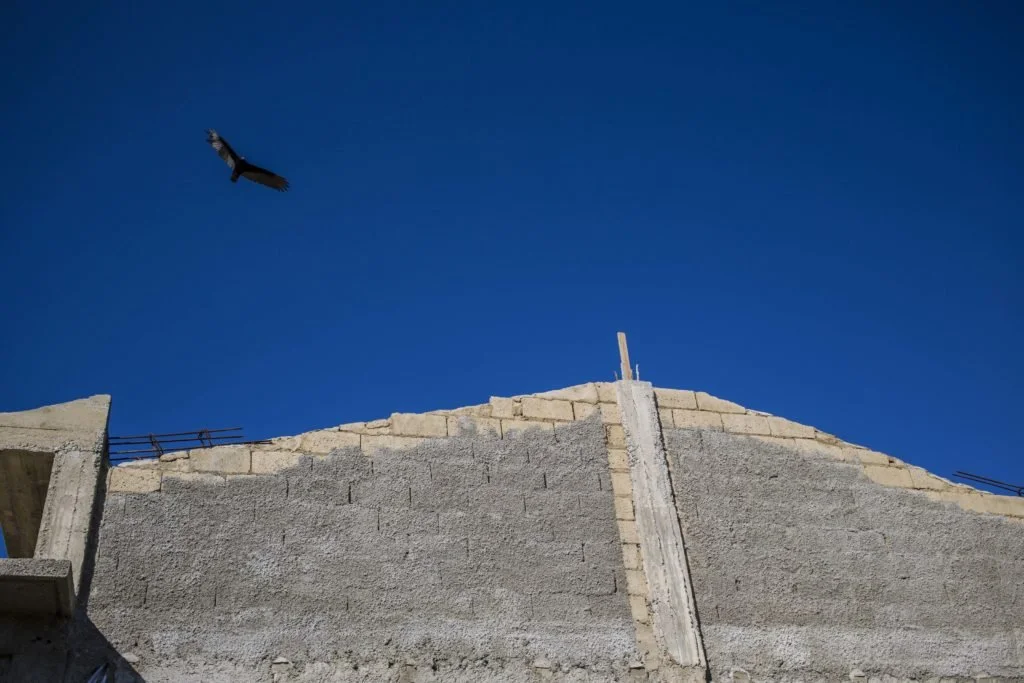
The Island
Sixty years after the Cuban Revolution, the next generation of leadership is slowly bringing reform to the island — very slowly. President Miguel Díaz-Canel worked with Communist Party leaders to usher in a new constitution that enshrined private property rights and more democratic norms, but the Party will remain firmly in control. As a new generation of Cubans seeks new freedoms, this GroundTruth series produced in partnership with Northeastern University and with support from the Henry Luce Foundation explores the growing role of faith during a time of transformation.
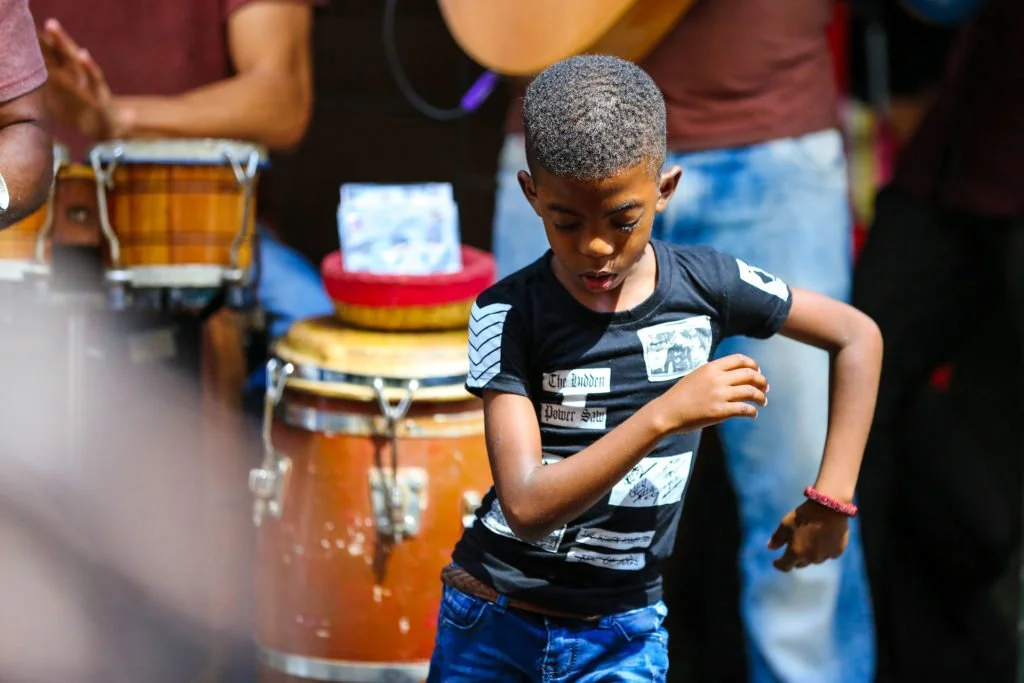
Tracing the Yorùbá influence in Cuban music
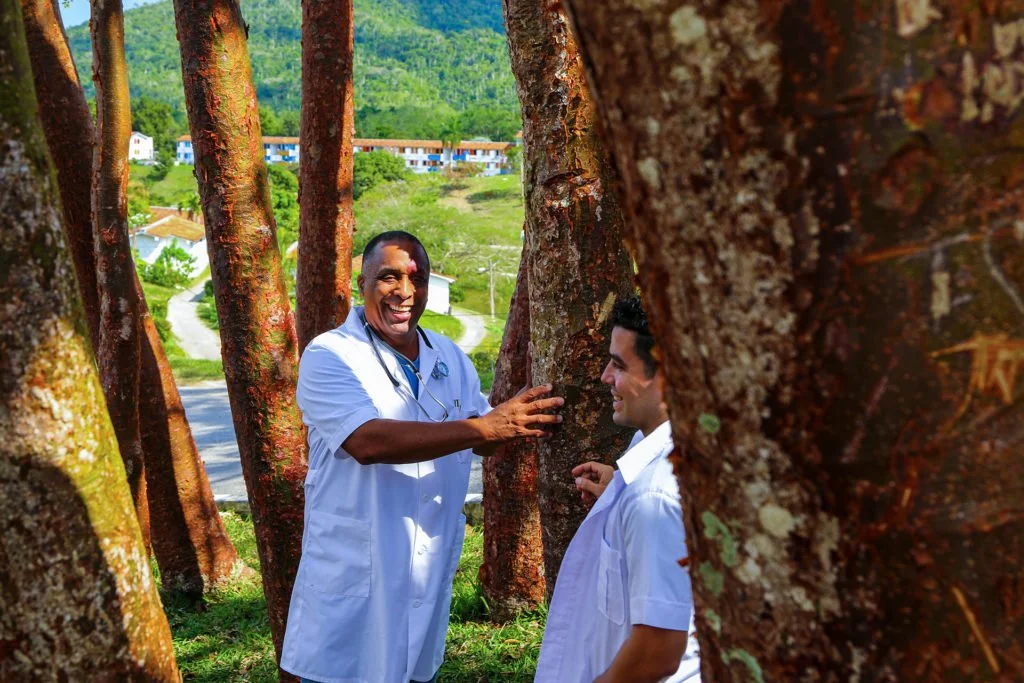
Alternative medicine blooms in Cuba
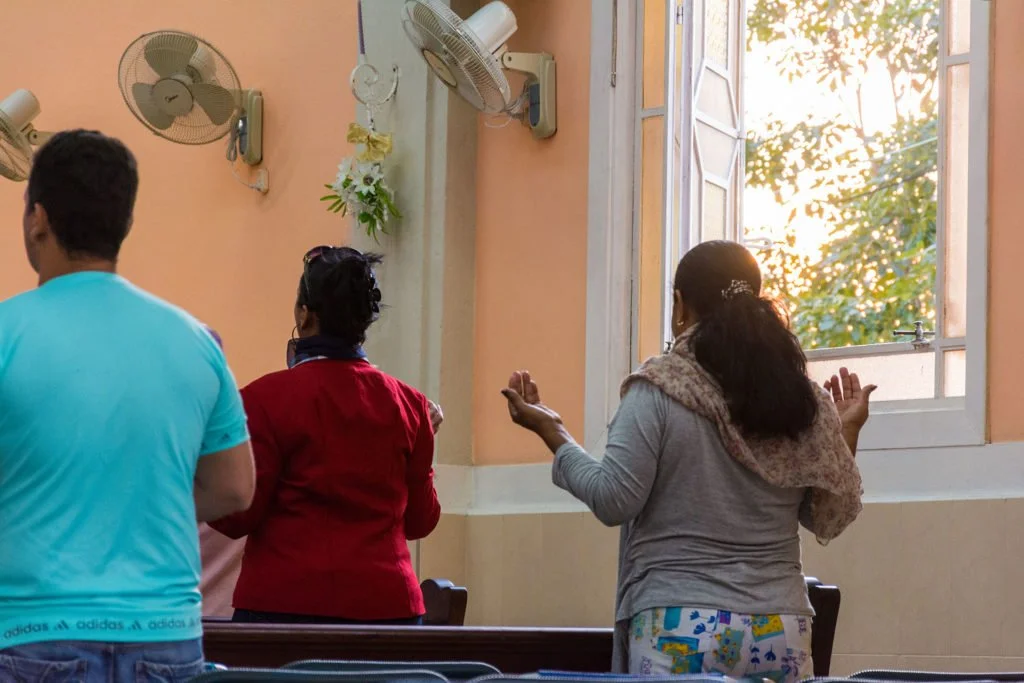
Cuba’s growing Evangelical community discovers its political clout
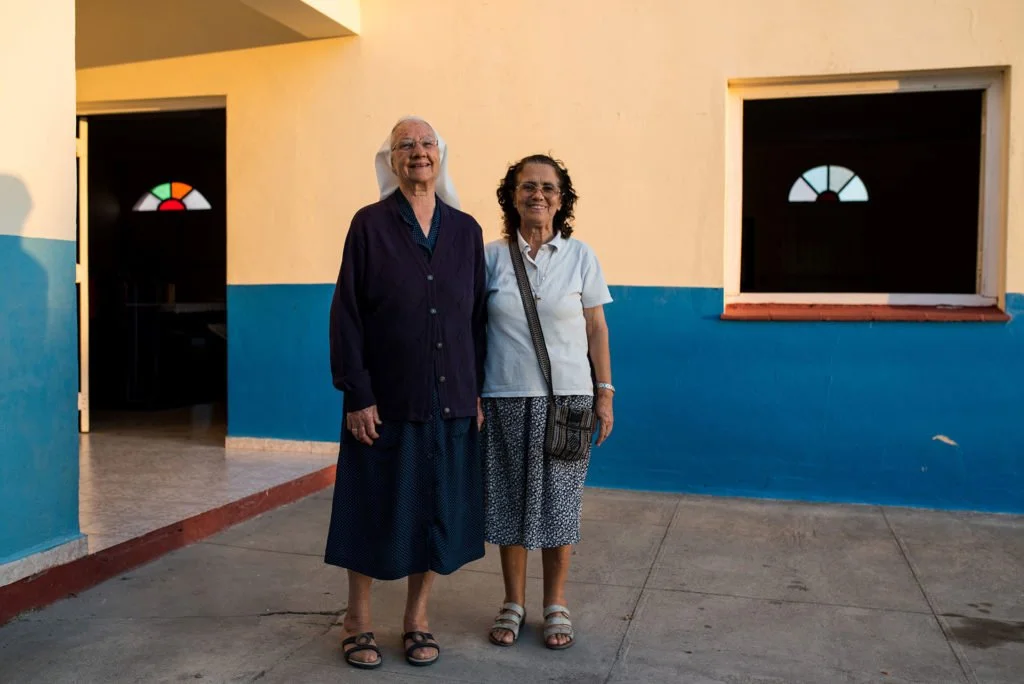
The aid alliance between Cuban immigrants and the Catholic Church
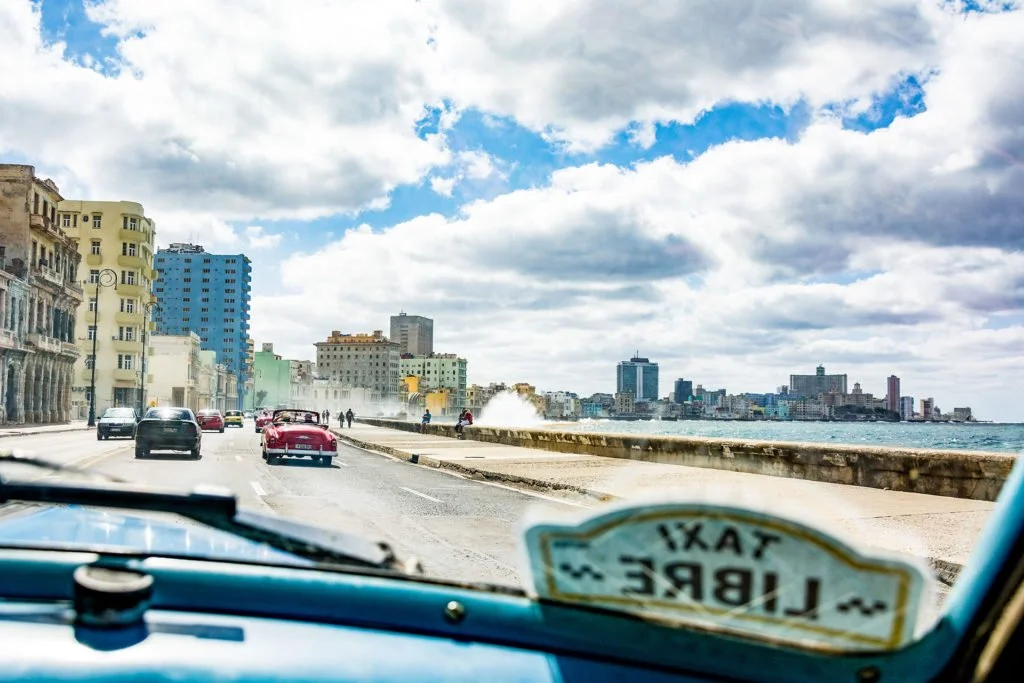
New U.S. sanctions on Cuba would slam shut diplomatic window
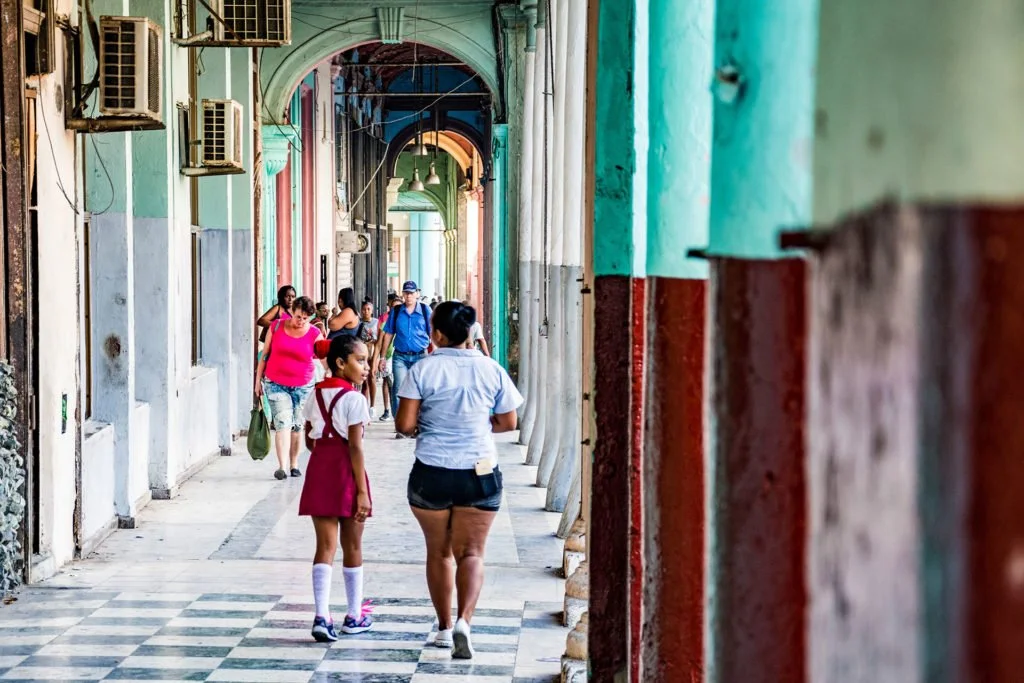
The “Pedro Pans” and the family separations that marked a generation of Cubans
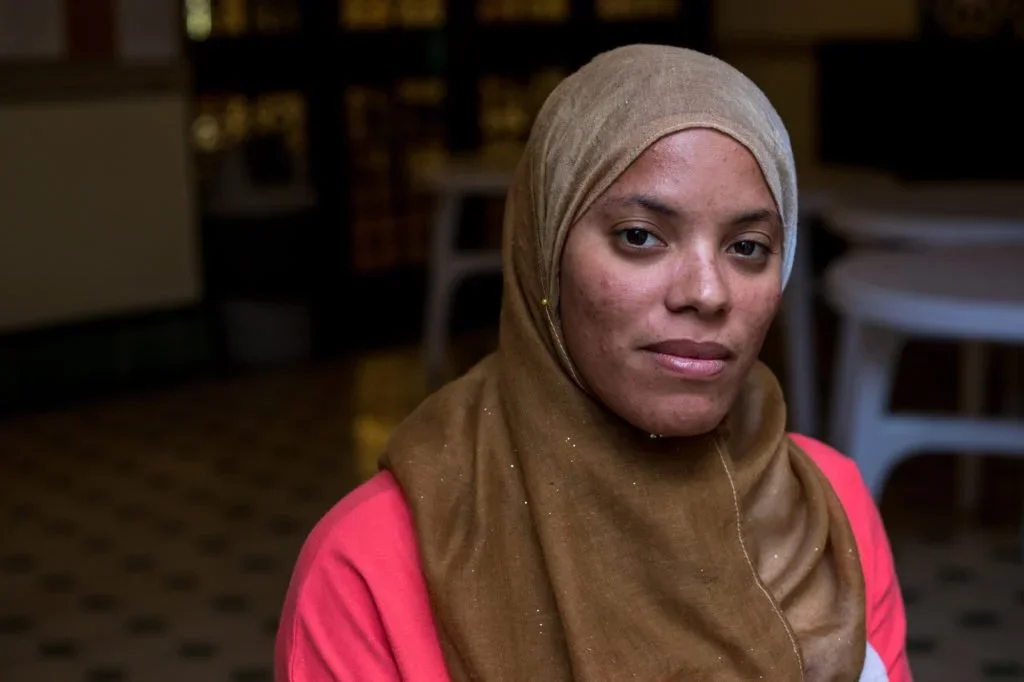
Cuba’s emerging Muslim community adds to religious diversity
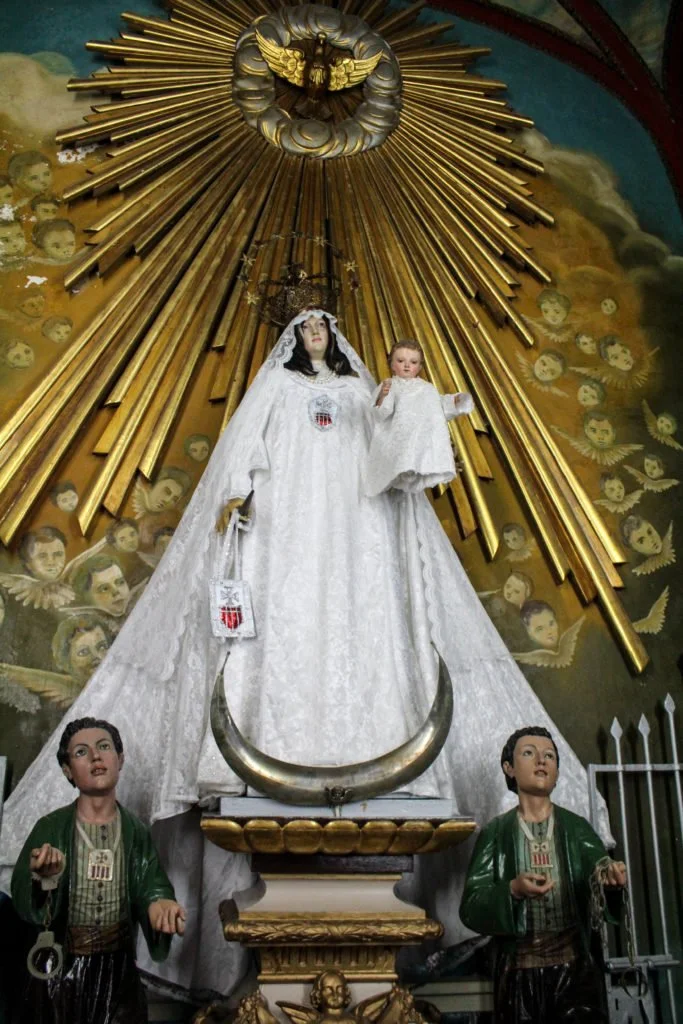
In Cuba, Santería flourishes two decades after ban was lifted
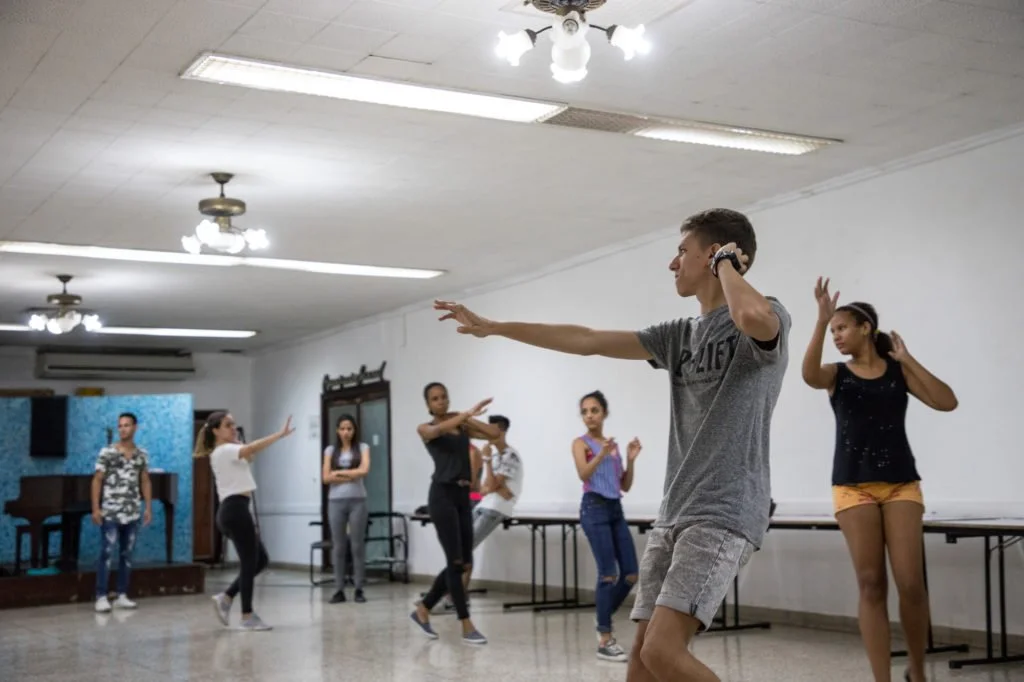
In Havana, young Jews create community
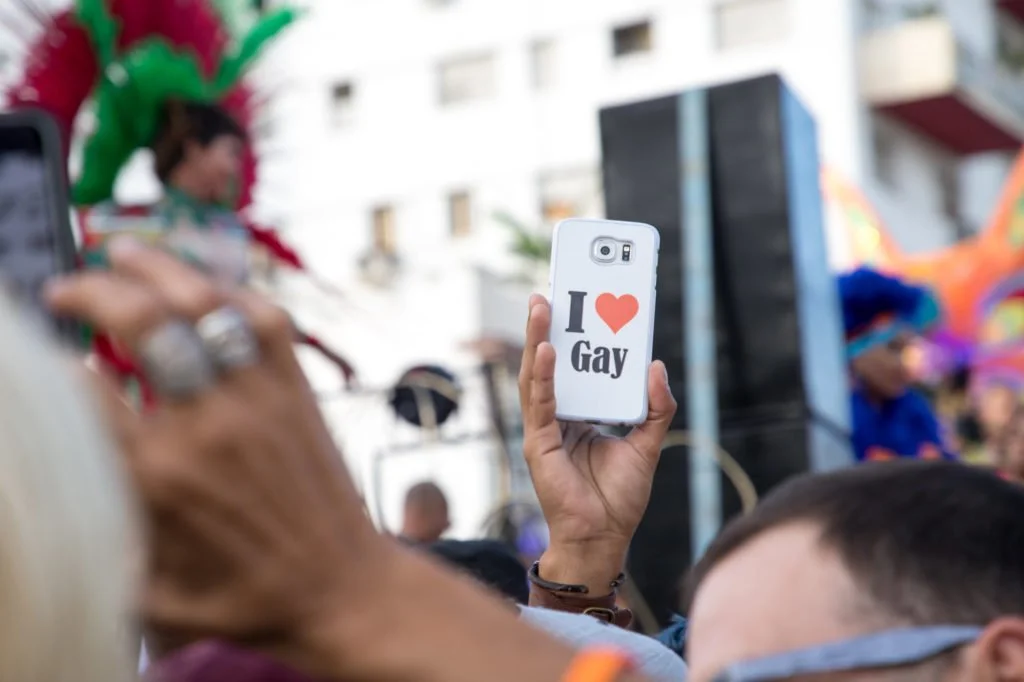
Cuba’s ‘rainbow revolution’ changes attitudes toward LGBT community
Cuba’s faithful seek more rights in an era of slow reform
As the Castro dynasty ends, young Cubans feel stuck
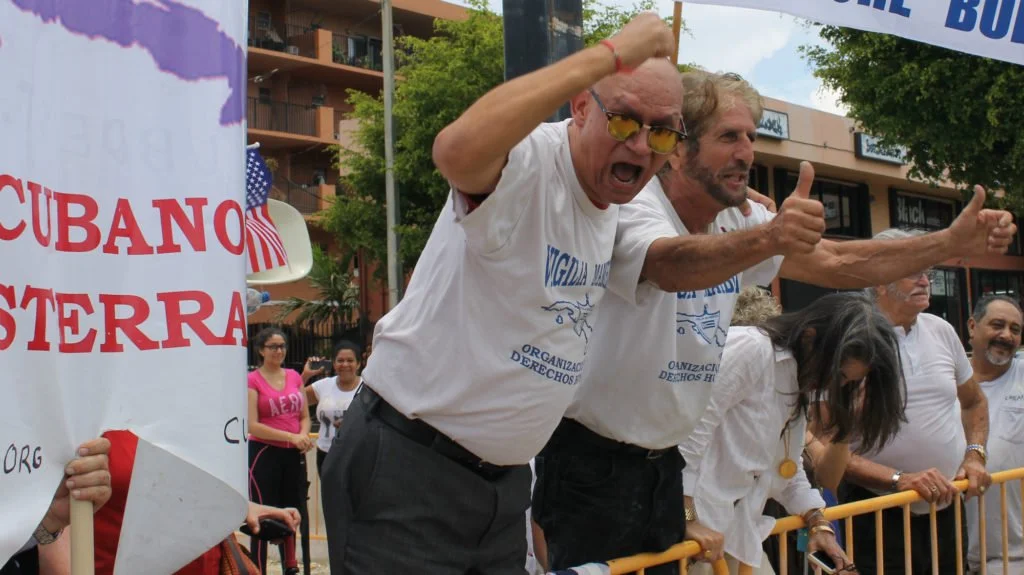
Cuban-Americans divided by new travel and business restrictions on the island