
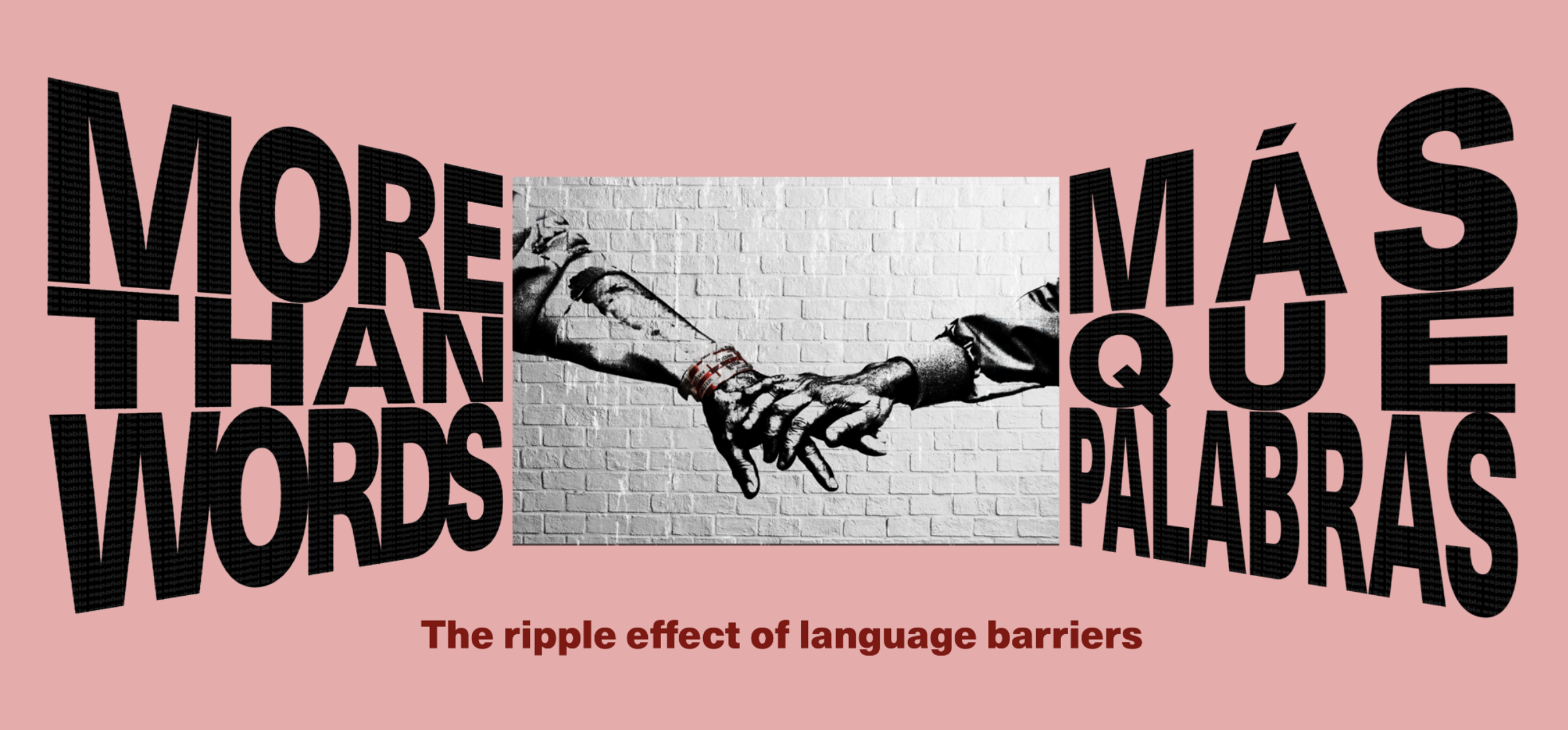

More than eight percent of the U.S. population does not speak English “very well,” according to the Census, while close to 66 million report speaking a language other than English at home. Despite those numbers, language and cultural-specific services are not widely available, particularly for Latinos.
The issue goes beyond making interpreters available, or directing users to online translators. It is reflected in the lack of representation in local governments; the inadequacies of outreach programs that fail to grasp cultural nuances or perpetuate stereotypes, and initiatives that overlook systemic inequities.
The result is a series of obstacles that prevent many non-English speakers from overcoming the language barriers, accessing healthcare, education and business opportunities and having a better chance of building a life for them and their families. This, in turn, affects the rest of their communities by hampering the creation of new small businesses and jobs, reducing the pool of qualified workers and limiting their tax contributions.
“More than Words” brings together 11 newsrooms and 13 Report for America corps members to explore how these barriers play themselves out across the country in almost every aspect of people’s lives, with an impact that goes well beyond language. Our reporters identify the challenges communities face to increase access, the local and state governments response, and the promising initiatives that communities, individuals, governments and companies are implementing to tackle this issue.
"Some of these issues were life-and-death decisions that they had to make, but the information wasn't provided in their native language."
Education
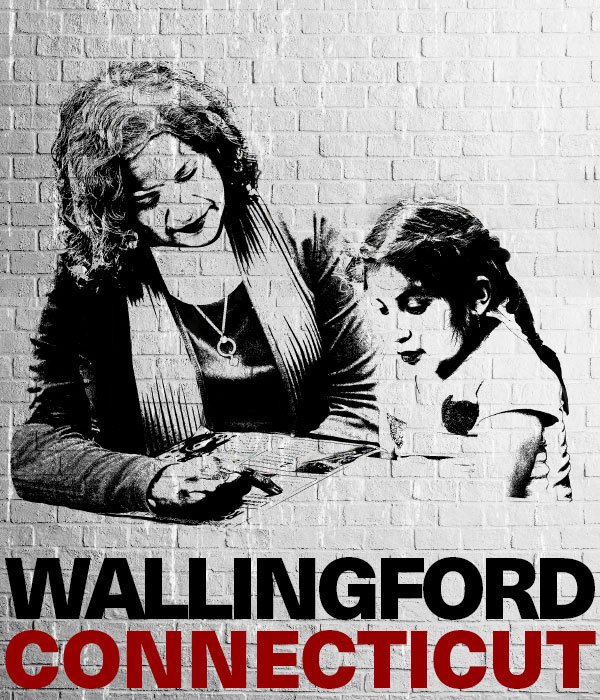
The demand for bilingual teachers in Connecticut has grown in the last decades but a shortage of qualified professionals and a lack of consensus around how to teach English are blocking the learning path of many students.
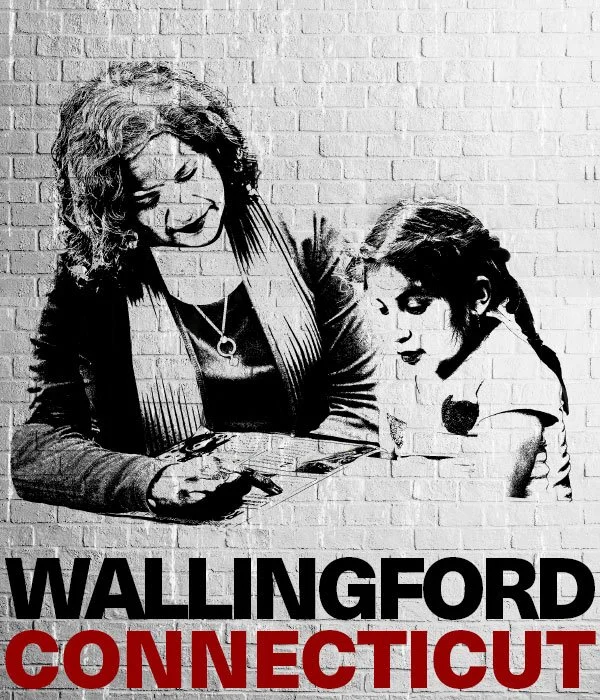
"My phone is ringing off the hook with calls from community organizations that know their communities, and they’re saying, we need help. There aren’t enough resources out there for immigrants.”
Public Health
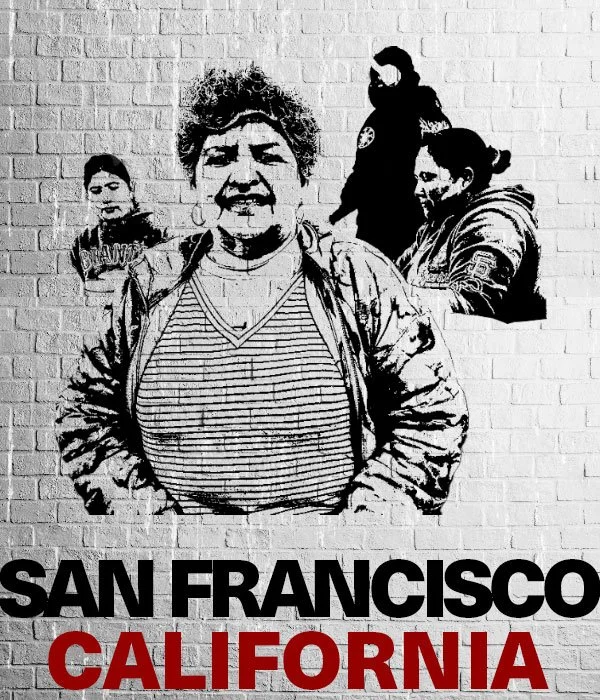
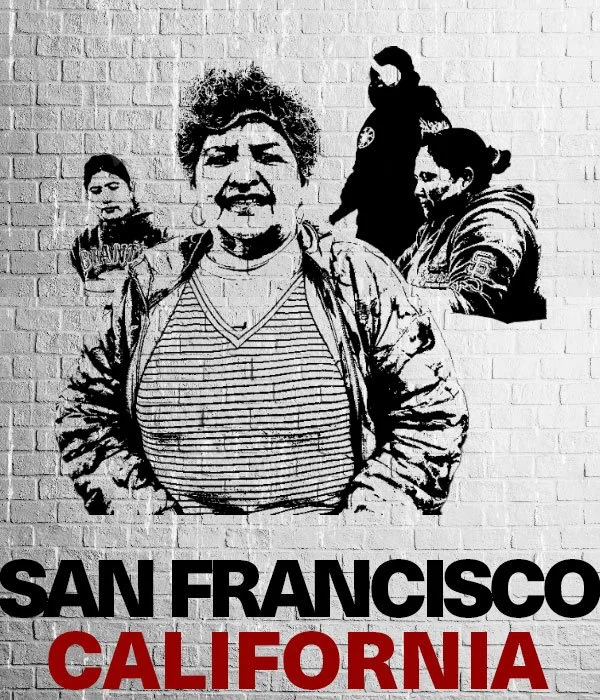
Next year, California will expand its version of Medicaid to cover 700,000 undocumented immigrants. To get them to enroll, the state is doing outreach in the communities. Language, it turns out, is one of the easiest barriers to overcome. Much harder is overcoming the fear of the government amid rampant disinformation.
What are promoters doing to gain the trust of the community?
“You might have this important information for survivors, and with great advocates, and with great staff, and yet, if they don't speak a language or don't understand cultural differences, many individuals are not being supported. They're not receiving services.”

Disability rights
Disabled Latinos who don’t speak English face extra challenges to access services, treatments, and support for their conditions. Some of them have created networks to help and educate the community about the existing resources and to advocate for better conditions.


Health
As the Latino population in Yakima County grows, hospitals and health care providers are adapting their services to meet their needs, creating a model the entire state can follow.
Policy
California aims to have a majority of bilingual students by 2040, but the state is behind on its goals. Experts point out inequities in English learning resources and the small investment in dual-language programs as big obstacles to reach that milestone.

Business
Undocumented immigrants contribute with tens of billions in taxes every year, but they still face many barriers that deter them from reporting their income. A certified accountant in Pennsylvania is looking to change that.


Gender Violence
Survivors of gender violence who don’t speak English are more likely to trust someone who speaks their language and understand their cultural context. In Illinois, resource centers work to improve care and outreach to Latino victims.
Public Safety
When a serial killer that targeted Latinos was at large, the affected community found itself without adequate warnings due to the limited availability of public safety information from the local police.
The incident revealed how language, and its connection to the lack of representation, has become one of the biggest hurdles to developing trust between the community and the police.


Health
A licensed medical interpreter can be the difference between a successful treatment and a failed one for those who don’t speak English. What are hospitals and universities doing to employ and train more of these professionals?
"It's a lot easier and a lot more fluid when we know the provider and how they speak with a patient.
You usually feel a lot more comfortable when you interpret for the same provider consistently."
Elder Care
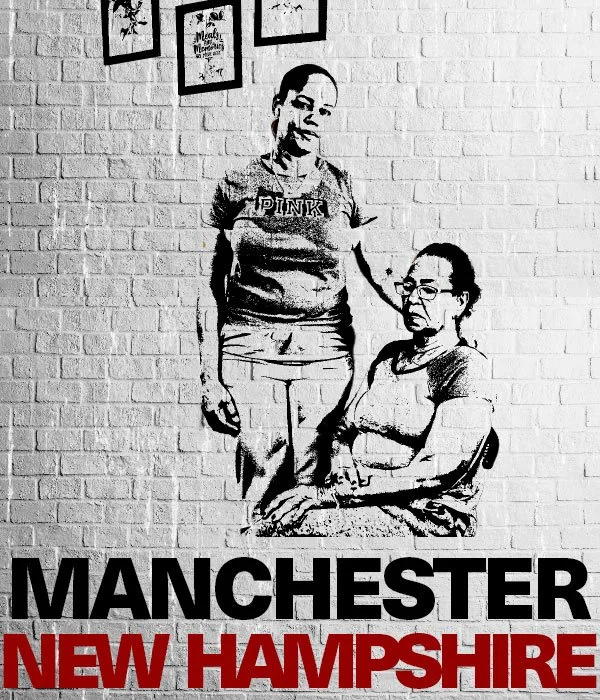
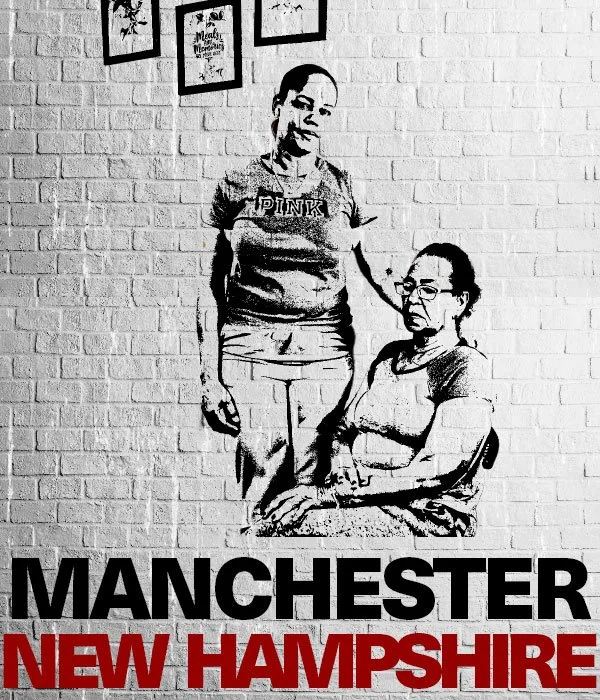
Many older Spanish-speaking immigrants constantly seek social activities, healthcare access and housing resources and, in some cases, also protection from elder mistreatment or abuse. However, only a few senior centers in the state provide outreach in Spanish. Are stereotypes to blame?
“The more daunting challenge is getting residents to trust a government resource, amid misinformation and deportation concerns. Immigration fears “loom like a dark cloud,” one advocate said, and misinformation is rampant, breeding skepticism and dissuading those who need it to accept the safety net."
Education
Washoe County uses seven different English language instruction models in its schools, with varying degrees of success.
means that some students are more likely to learn and get good grades if they are placed in a school with better English language support. What are the barriers to having a unified model?

“It’s still difficult, even if they know English and have papers. The laws are there, but not the resources. If it was that easy, there wouldn’t be so many organizations and groups fighting for the rights of the disabled.”
Overiew
The language barrier manifests in almost every aspect of the lives of those who don’t speak English. What are the most urgent ones and what is being done to close this gap?

Overview

Meridian, Connecticut

Charlotte, North Carolina
Wallingford, Connecticut

Reno, Nevada

San Diego, California

DeKalb, Illinois

Yakima, Washington
Manchester, New Hampshire
San Francisco, California

Stockton, California