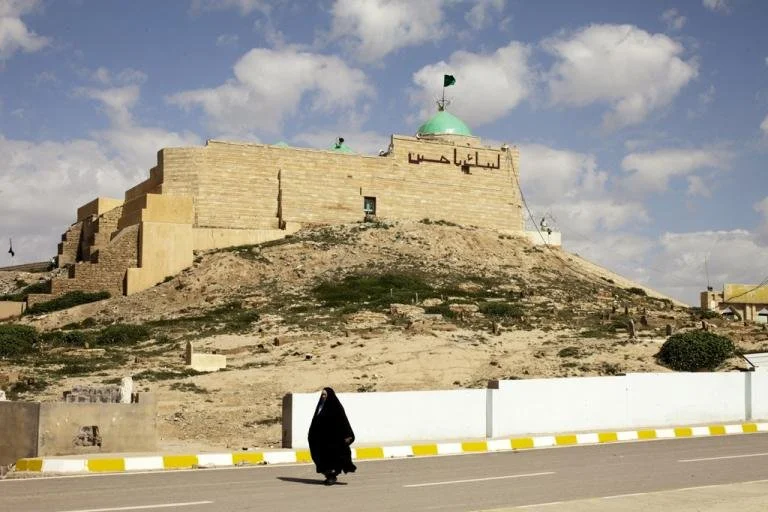
In the land of Cain and Abel
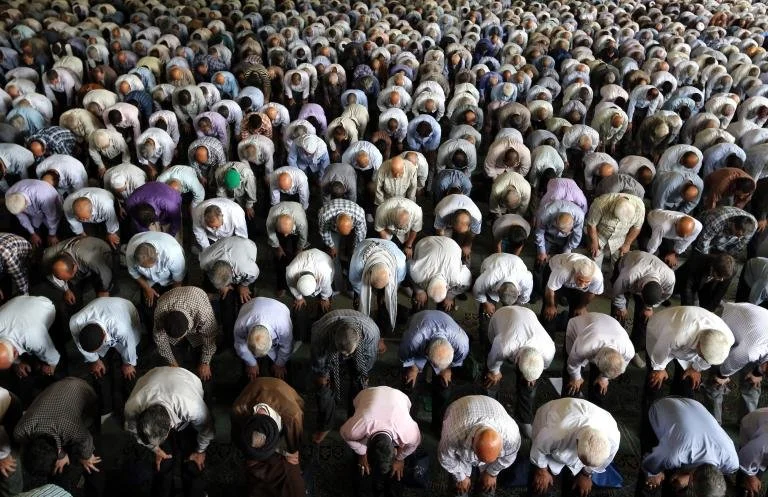
Iranian Shia Muslims attended Friday prayer at the University of Tehran. (Photo by Atta Kenare)
Editor’s note: As conflict between Iran and Saudi Arabia, inflamed by the targeted killing of Iranian commander Qassem Soleimani by the U.S., brings forward a longtime power struggle between Shia and Sunni Muslims, GroundTruth offers our award-winning series “In the Land of Cain and Abel” as a way to help explain what’s happening. The series launched in 2013 on the 10-year anniversary of the U.S. invasion of Iraq and continued into 2015 as a chain reaction of violence swept across Iraq, Syria, Lebanon and Yemen.
Biblical tradition holds that northern Iraq is the land of Cain and Abel. From this rugged patch of earth down to Baghdad and from Fallujah to Ramadi and all across post-war Iraq, this biblical parable of fratricide seems to be playing out over and over again in a contemporary context: Muslim brothers killing Muslim brothers.
Spates of violence between the Sunni and Shia have been rising steadily in Iraq in recent months. On the 10th anniversary of the U.S.-led war in Iraq, it seems the Shia-led government is facing increasing resistance from a restive Sunni population.
There are reports of bombings and demonstrations and counter-crackdowns by Shia authorities. The Sunni minority is increasingly intent on making it clear that they have suffered a decade of discrimination, and that they are simply not going to take it anymore.
The sectarian tensions in Iraq take on a regional context with neighboring Iran backing the Shia government, and neighboring Saudi Arabia taking the side of the Sunni.
Starting in the early 2010s, a flare-up of Sunni-Shia tensions emanating from Iraq has rippled out in waves across the Middle East. The ‘Arab Awakening,’ as the uprisings that toppled dictators in Tunisia, Egypt and Libya and in the bloody civil war in Syria are referred to here in the region, have also served to exacerbate sectarian tensions, particularly in Syria.
In this Special Report, we dispatched a stellar team of veteran correspondents across the Middle East and in Washington, D.C. to provide a framework of understanding for the way in which the age-old rift between the Sunni and the Shia is being manipulated by regional powers trying to reshape the modern Middle East.
This first part of the project includes on-the-ground reporting from Iraq by Jane Arraf, one of the most experienced correspondents in Iraq who has covered the Middle East for more than a quarter century. Also featured is the reporting journey of veteran correspondent Reese Erlich through Saudi Arabia and Bahrain and an outstanding analysis from Washington by Pulitzer Prize-winning correspondent Caryle Murphy. A photo essay by the legendary photographer Franco Pagetti provides perspective on his 10 years of experience documenting Iraq at war.
Marking the 10-year anniversary of the Iraq War, this Special Report is only the beginning of a body of work that will continue as we look at other aspects of the Sunni-Shia divide in Iran, Syria, Lebanon, Kuwait, Pakistan and beyond.
This Special Report, produced by The GroundTruth Project, appeared on GlobalPost.com in 2013.
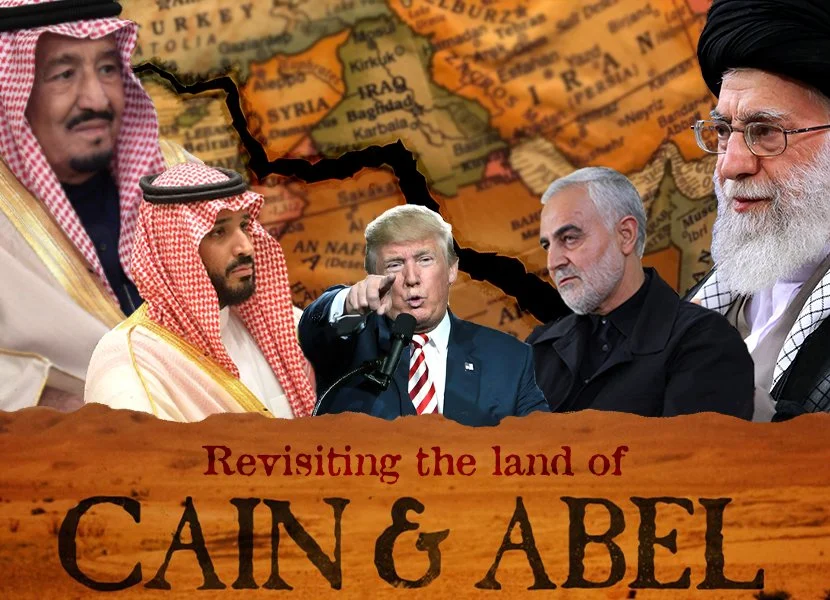
Revisiting the land of Cain and Abel in the time of Trump
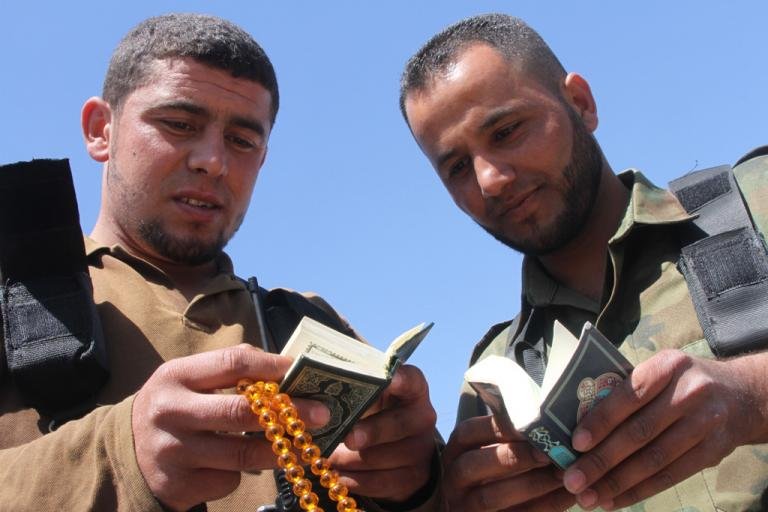
Fighting in Syria shifts as sectarian divisions intensify
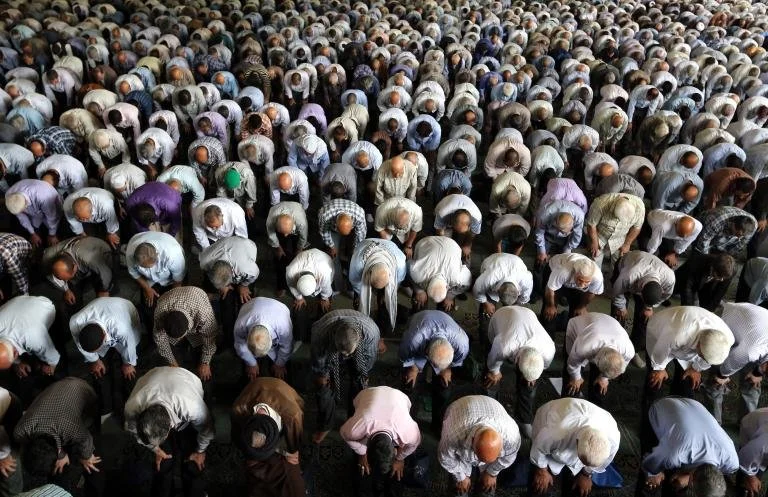
Iranians quietly question their government’s role in Syria and beyond
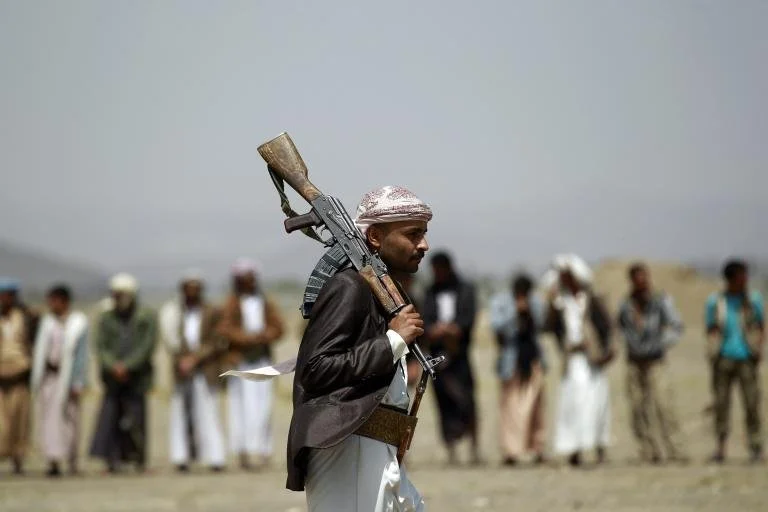
The struggle for power in Yemen continues, and Qatar is playing a key role
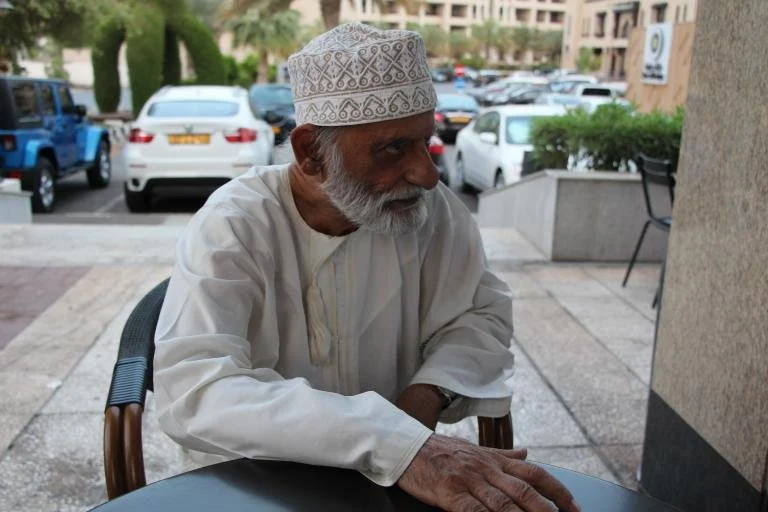
Mitigating Sunni-Shia conflict in ‘the world’s most charming police state’
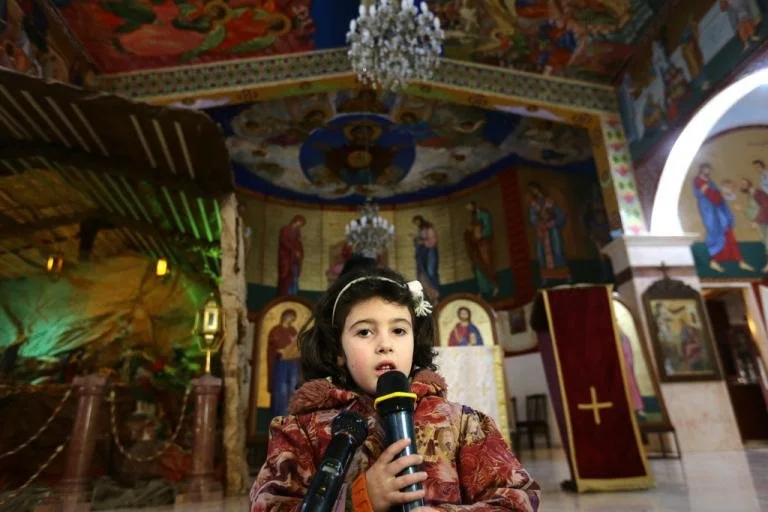
Syria’s minority Christians under threat from extremist Muslim rebels
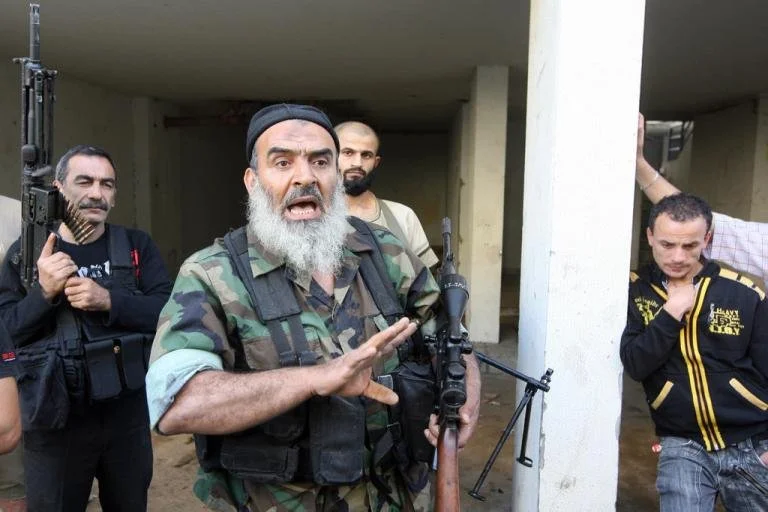
It’s Salafist vs. Salafist in Syria’s civil war
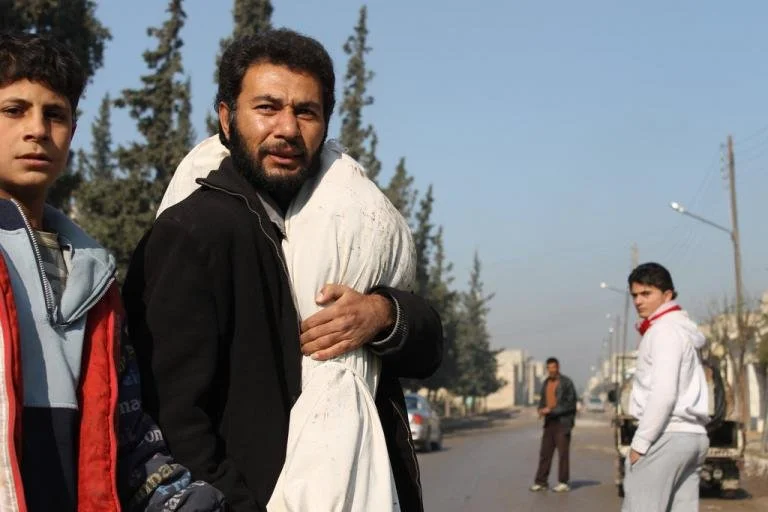
Assad’s divide-and-conquer strategy proving effective against Syrian rebels
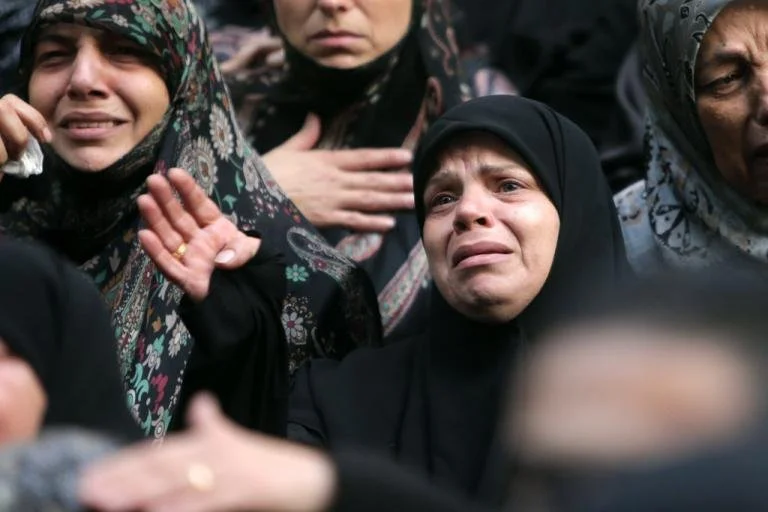
What it means to call the bombing of Iran’s embassy in Beirut ‘sectarian violence’
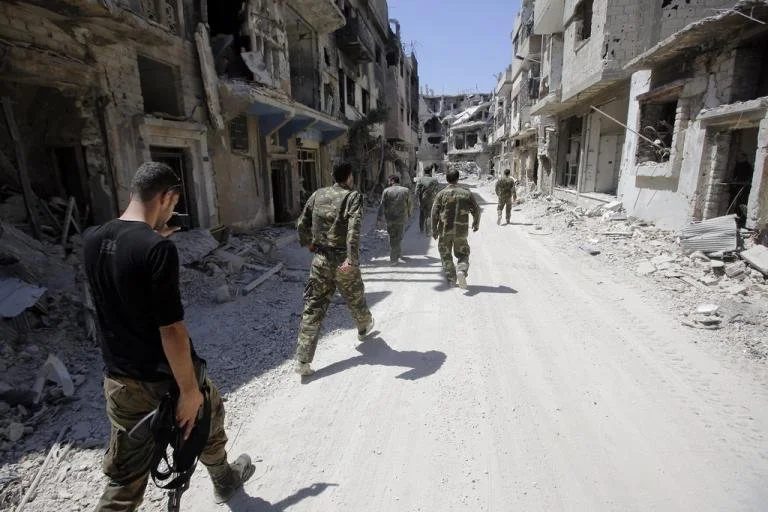
Do Lebanon’s Taif Accords offer lessons for Syrian peace?
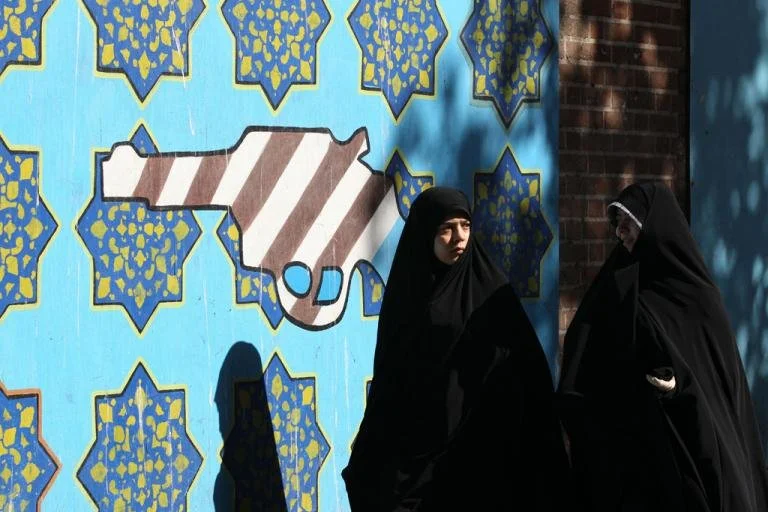
Algiers Accords bind US to non-interference in Iran — and are always forgotten
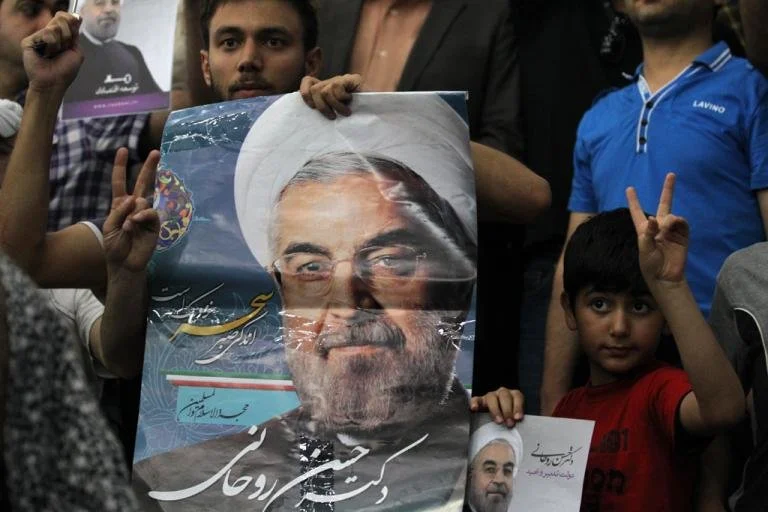
Iranians say US sanctions hit wrong target
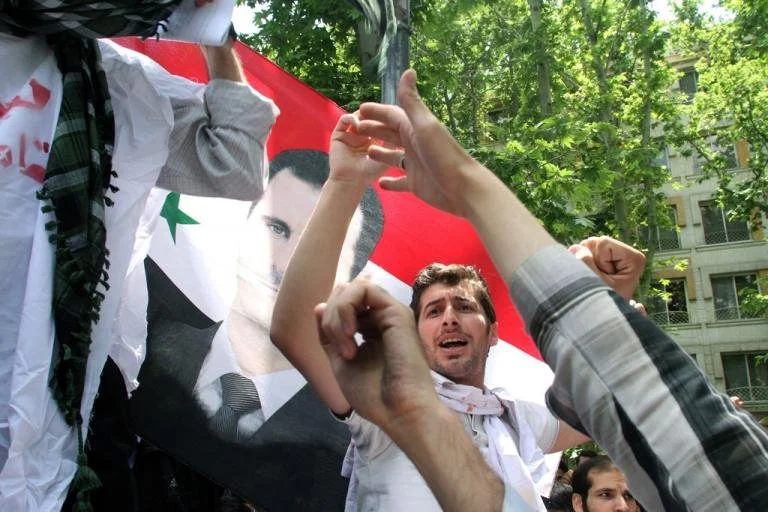
Iran: Firmly behind the Assad regime
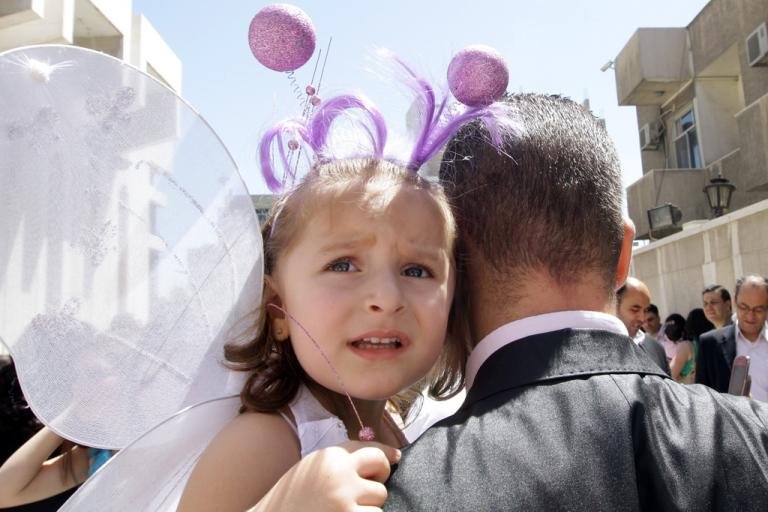
Syrian Christians become kidnapping targets, flee to Lebanon
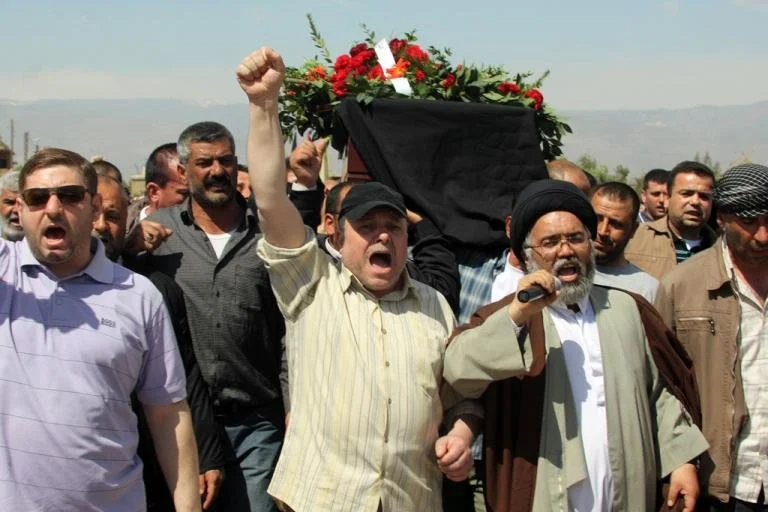
Syria spillover into Lebanon furthers intra-Muslim conflict in Mideast
Q & A: How a revolution opened the door for Middle East extremists
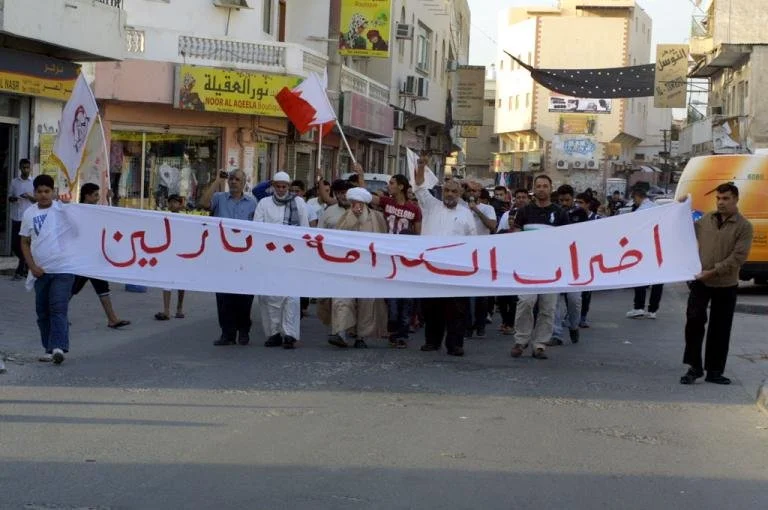
Bahrain: 30 days in jail for one tweet
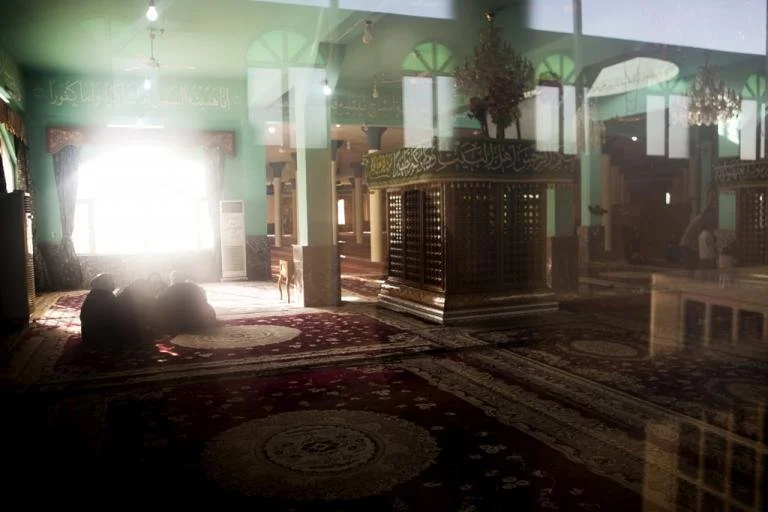
Q & A: US foreign policy lessons and failures along the Sunni-Shia divide
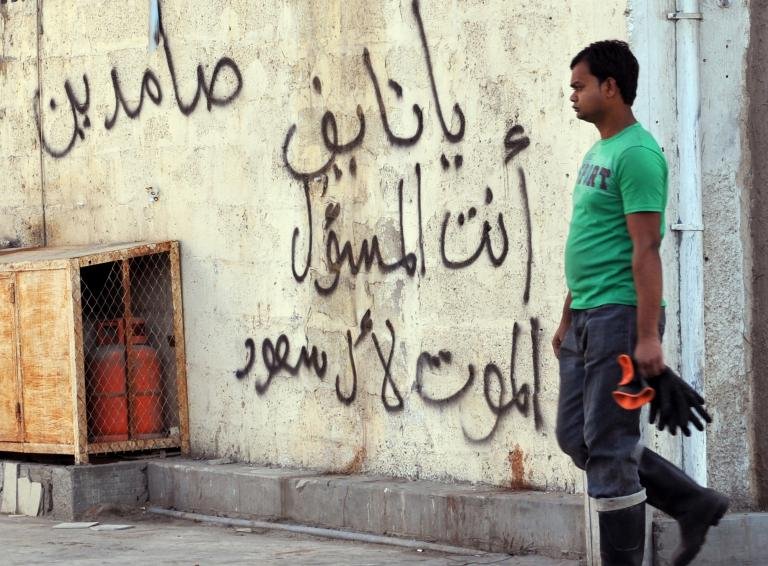
Shia Muslims in Saudi Arabia keep the protest movement alive