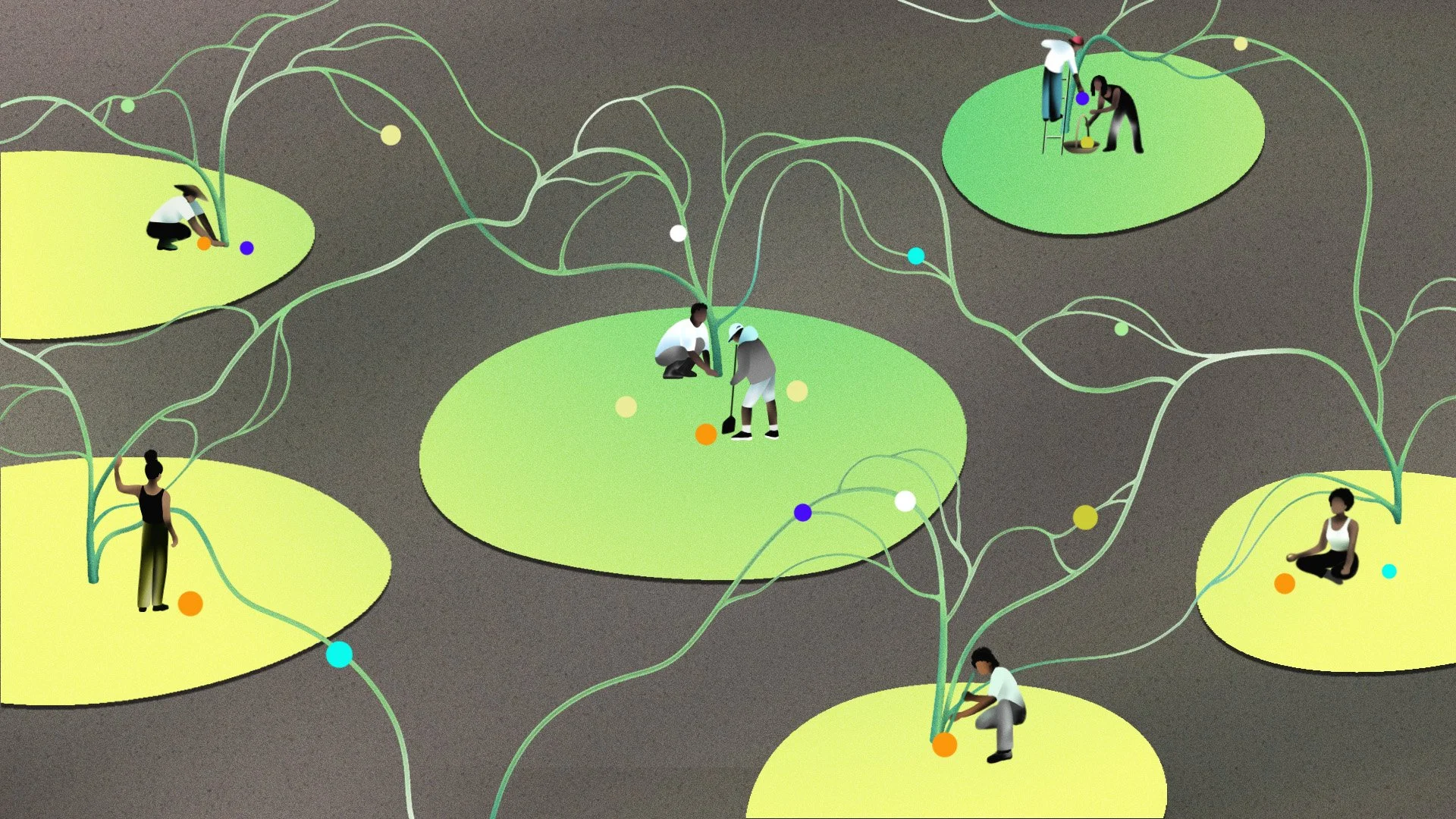
Agents of change
Teenagers in orange aprons, wrenches in hand, are doing their part to counter the inequity in transportation options for Baltimore’s residents, one bike repair at a time.
In Connecticut, a nurse and educator is changing the way Black mothers receive maternal care, dismantling practices that contribute to the high number of pregnancy-related deaths among Black women and women of color. In Tampa, the city government is working hand-in-hand with the community to provide advice and financial support for first-time homebuyers in neighborhoods vulnerable to gentrification, offering an opportunity for people who never thought they could afford their own home.
Each of these initiatives, in their own way, is contributing to create a more equitable society bv replacing practices rooted in institutional racism and opening doors for collaboration, conversation and ultimately, trust. Racial healing, as the broad concept is known, encompasses efforts to create more green spaces in underserved neighborhoods, the fight against food deserts, the increase in translation and language services for immigrant communities, and many other programs to overcome inequities rooted in the nation’s history, as well as the difficult conversations among multiple races as the name suggests.
“You have enough people doing this over time, and you can change the world,” said Joseph Williams, deputy managing director of Word in Black, in a conversation with Report for America corps members in July. Williams, who reported on dozens of racial healing initiatives over the past few decades, has seen their cumulative effect: “Across the nation there are small individual groups. There are larger groups, there are cities, there are clubs. There are even just people having coffee at a diner talking about stuff. And all of that leads towards the bigger picture of racial healing,” he said.
Looking to get a better view of the tapestry of racial healing in the country, Report for America asked several of its host newsrooms to identify the people and projects that are making a difference in their communities, taking a critical look at their operations and results to understand how they succeed, what we can learn from them and how they could serve as a model for other communities.

Agents of change: About the project
Reconciliation group heals terror of the past one relationship at a time

Nurse-midwife collective provides vital maternal health support for Black parents
City partnership uses outreach to limit student gang involvement

First-time homebuyers get a boost from city and nonprofit partnership

Biking for all: Nonprofit teaches teens self-reliance, expands community access