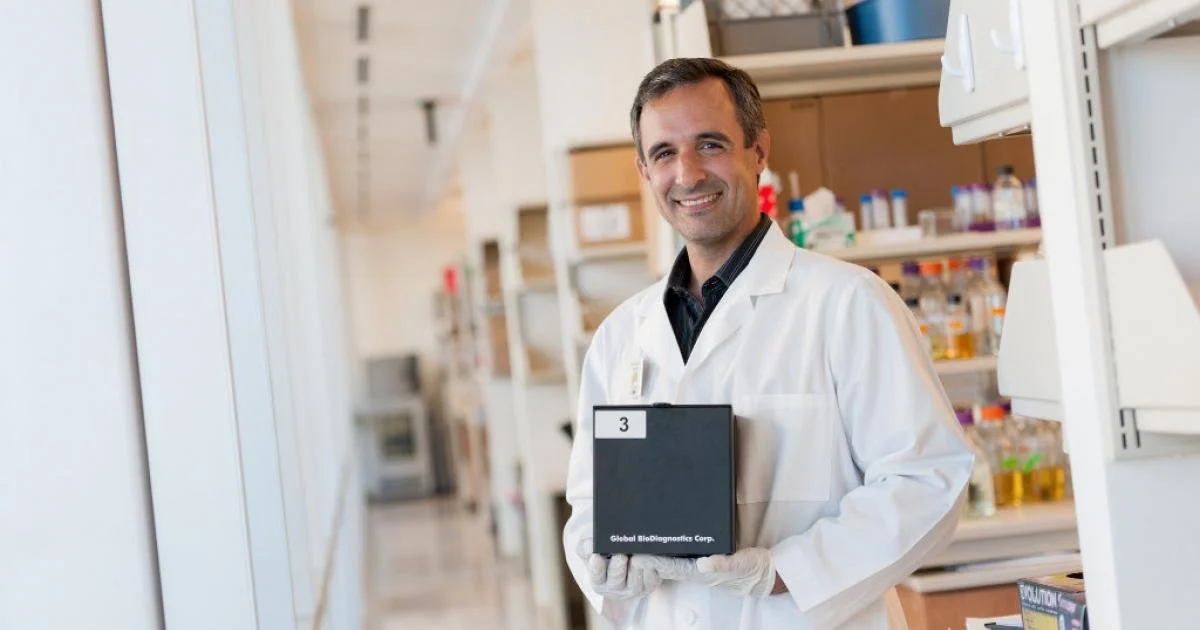
Dr. Jeffrey Cirillo, professor at the Texas A&M Health Science Center College of Medicine, holds up a prototype of TB REaD, the portable diagnostic device he and his colleagues invented. - (Texas A&M Health Science Center/Courtesy)
Branding Health
As US government cuts have threatened foreign aid budgets, government agencies are increasingly putting their faith in the private sector. Some of the world’s largest corporations, leaders argue, have the technical expertise and vast resources to complement traditional development aid.
A tide has dramatically shifted. Consider that in 1970 over 70 percent of financial flows from the US to the developing world came from government aid, and the rest came from the private sector. Today, more than 90 percent comes from private sources.
But as forged partnerships between public and private sectors gain prominence, questions arise about their transparency and their precise impact in the world.
The GroundTruth Project dispatched correspondents across Sub-Saharan Africa to answer these questions, to explore how these partnerships actually function and whether these models are indeed sustainable, effective and positive examples. The result is this GlobalPost ‘Special Report’ titled “Branding Health.”
Our reporting took us to the Democratic Republic of Congo, South Africa, Tanzania and Cameroon to look at partnerships between governments, NGOs, and some of the United States’ largest companies. Some of the partnerships had proven successful, some blurred the line between philanthropy and corporate profit, and for others, the results remained unproven beyond anecdotal evidence. For all, the question remains: where do these partnerships cross the line between charity and business as usual?
Doctors to Congress: Ebola will likely rage for a year or more
Q & A: How to end extreme poverty
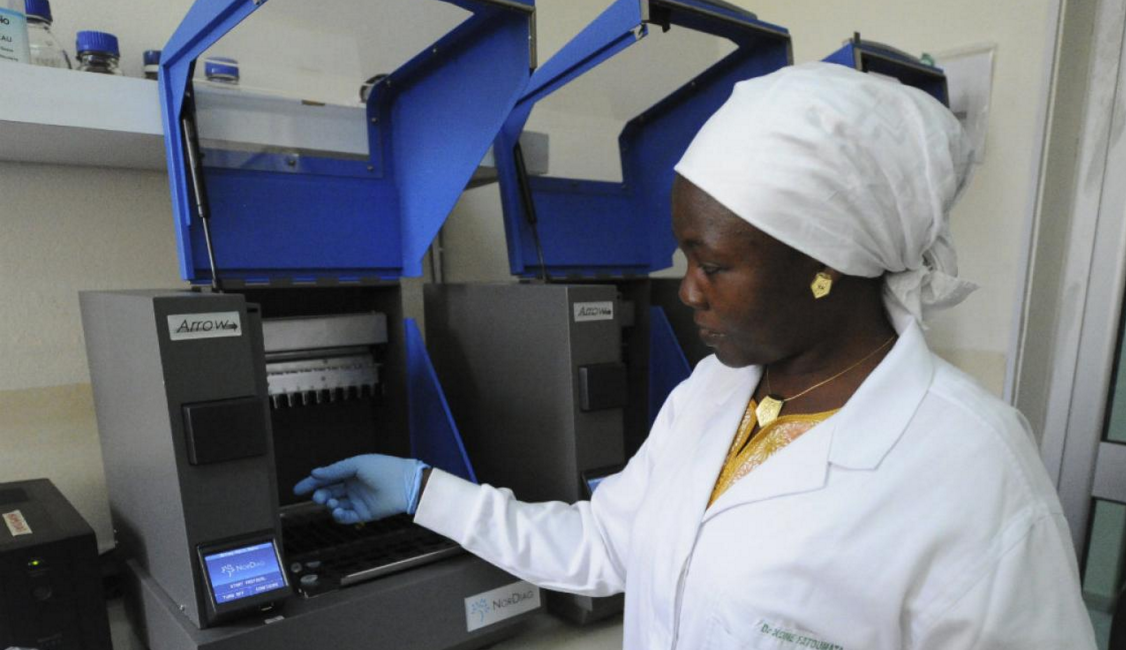
Scientists call for more African-led research and development
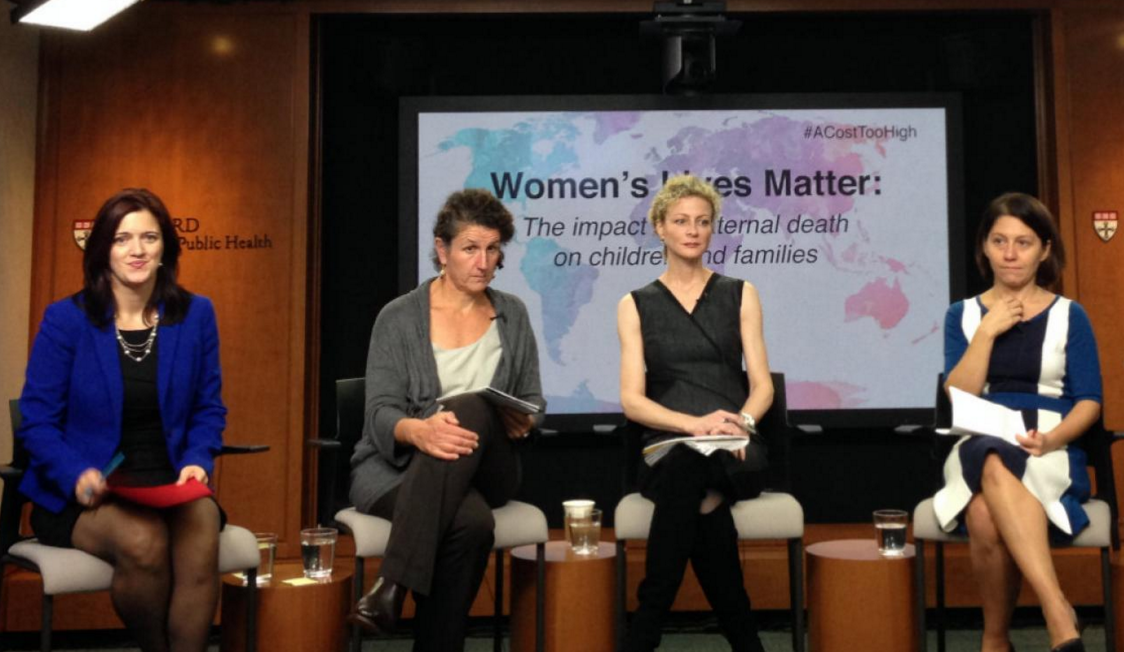
Why maternal health and mortality matters
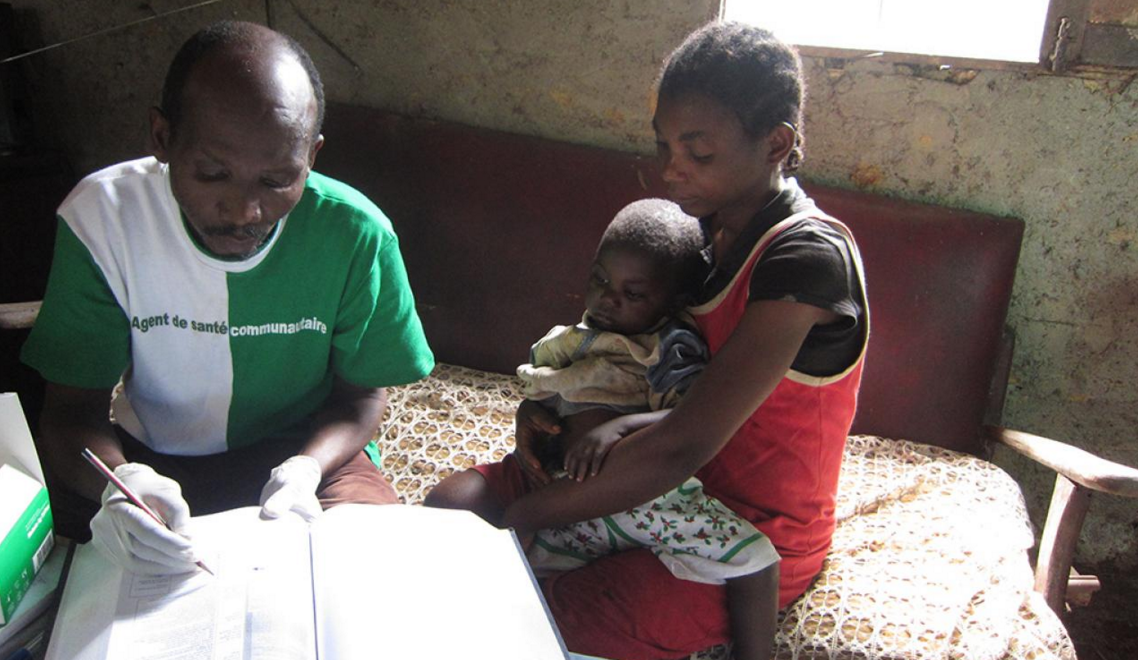
ExxonMobil fights malaria in Cameroon against backdrop of climate change
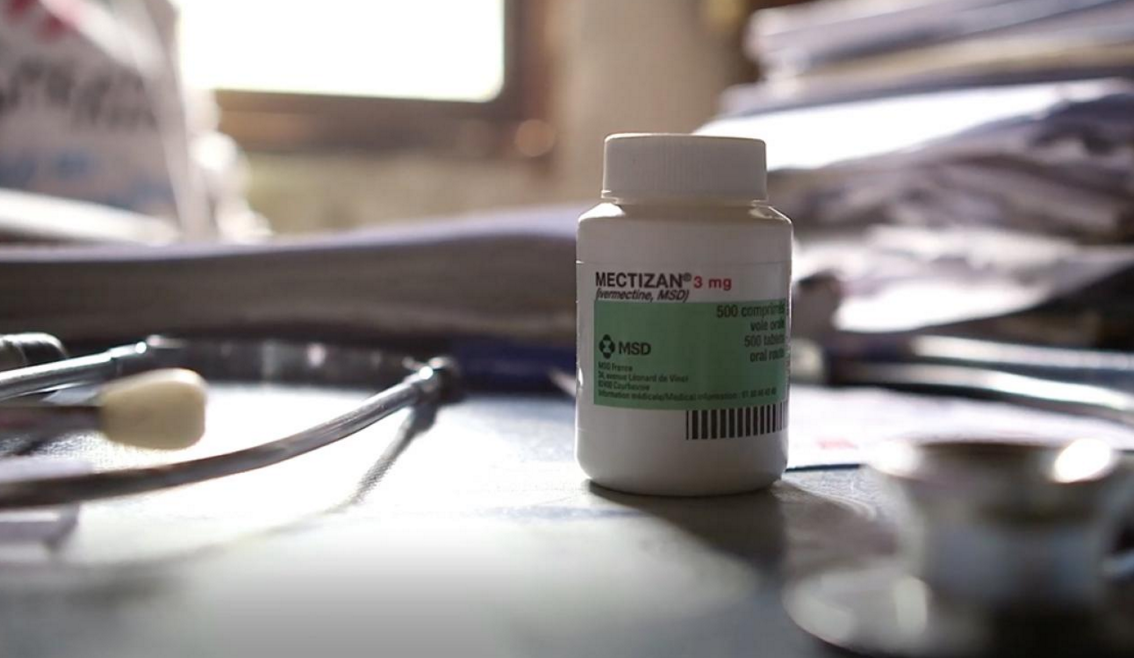
Merck continues campaign against river blindness in the DRC
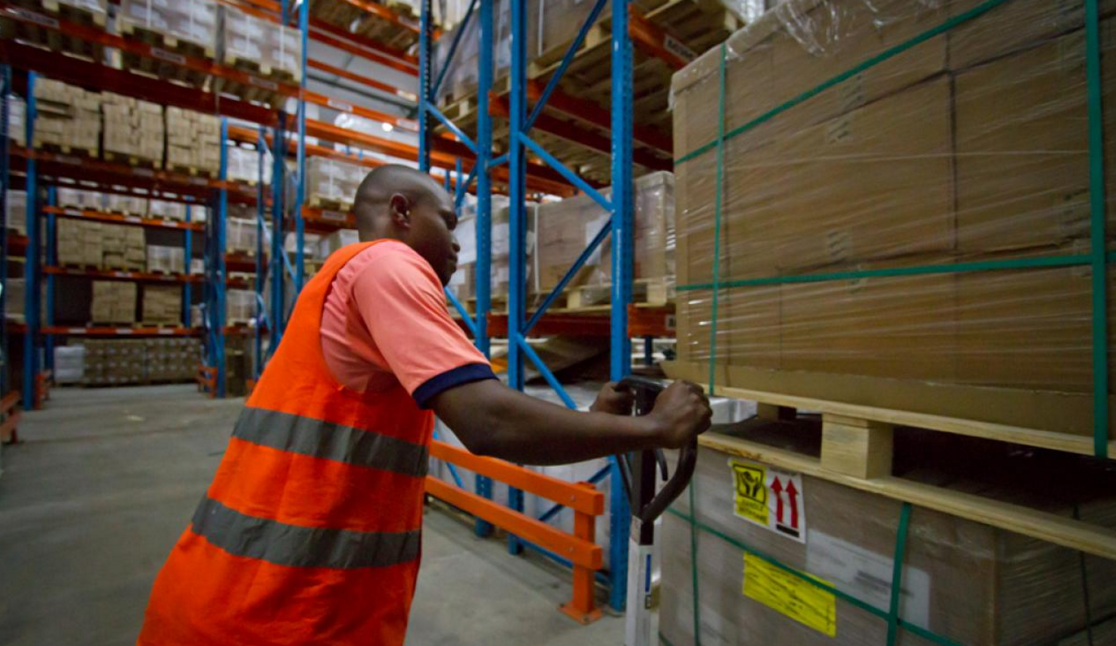
In Tanzania, Coke improves medical distributions
Across Africa, Coke is empowering women — to sell Coke products
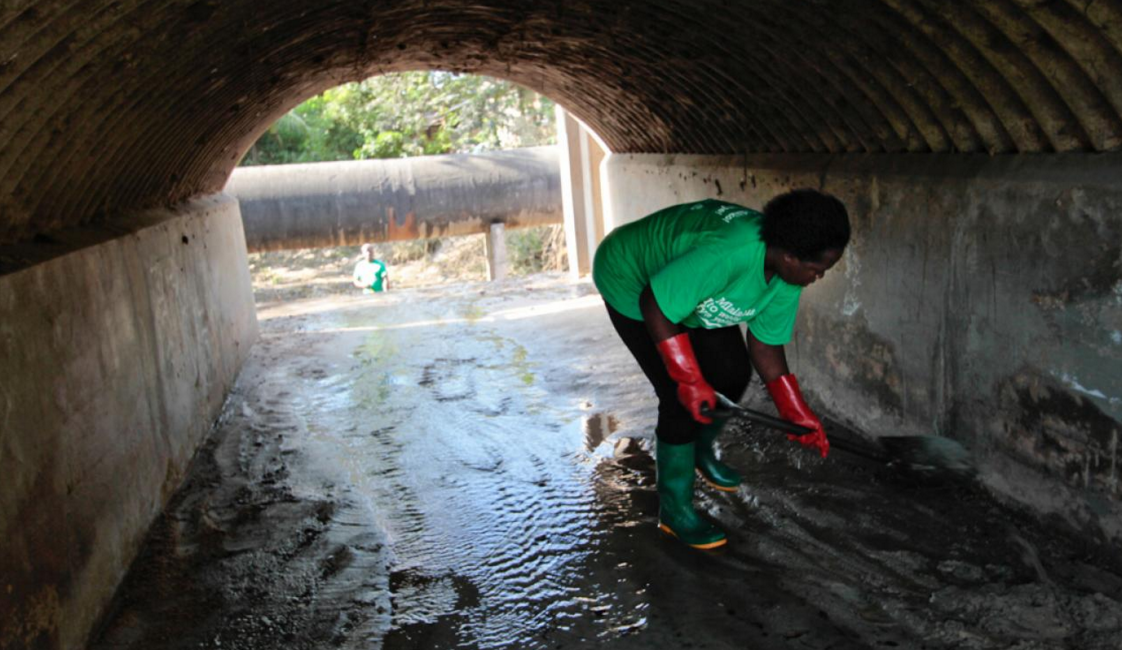
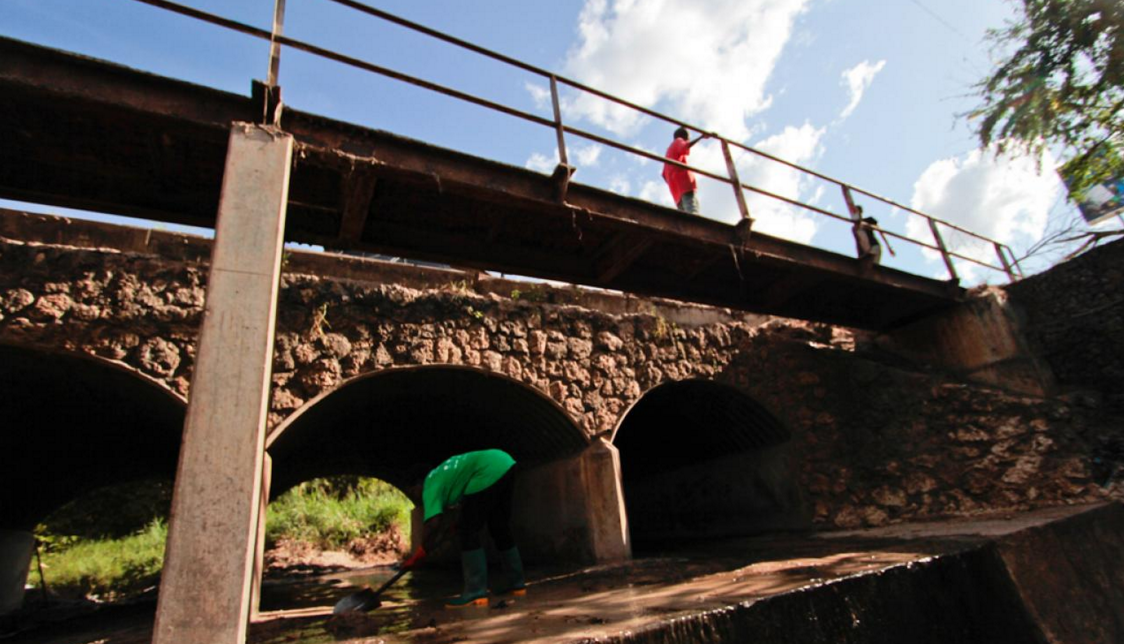
Coca-Cola’s river cleanup work in Tanzania shows mixed motives
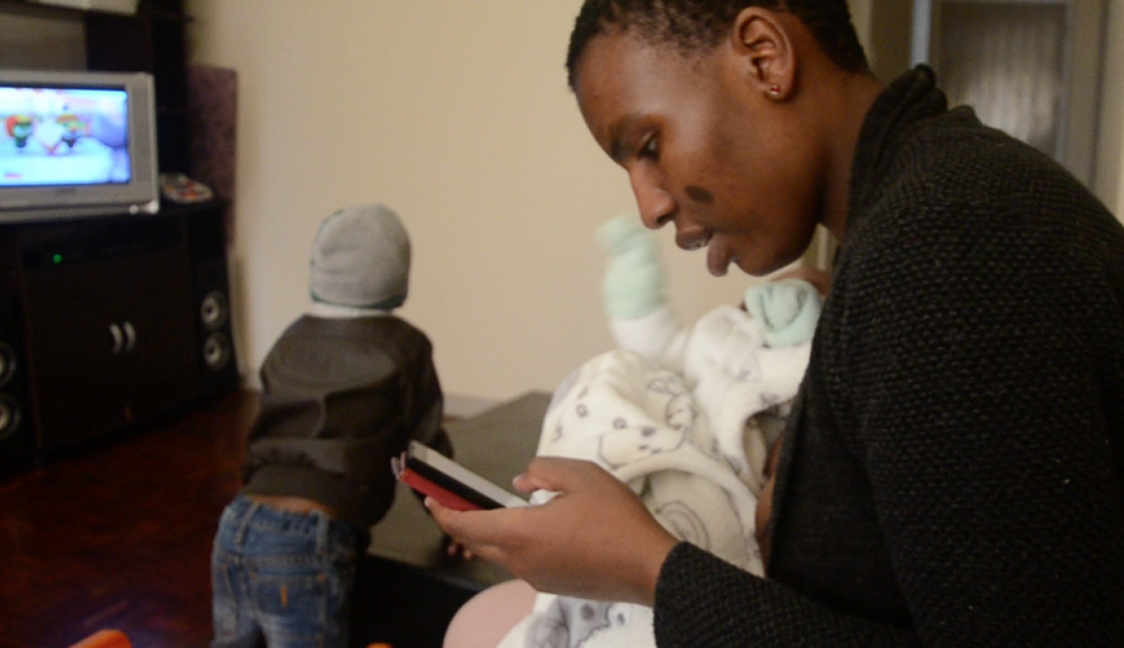
South African partnership hopes to prove text messages can save the lives of mothers and children
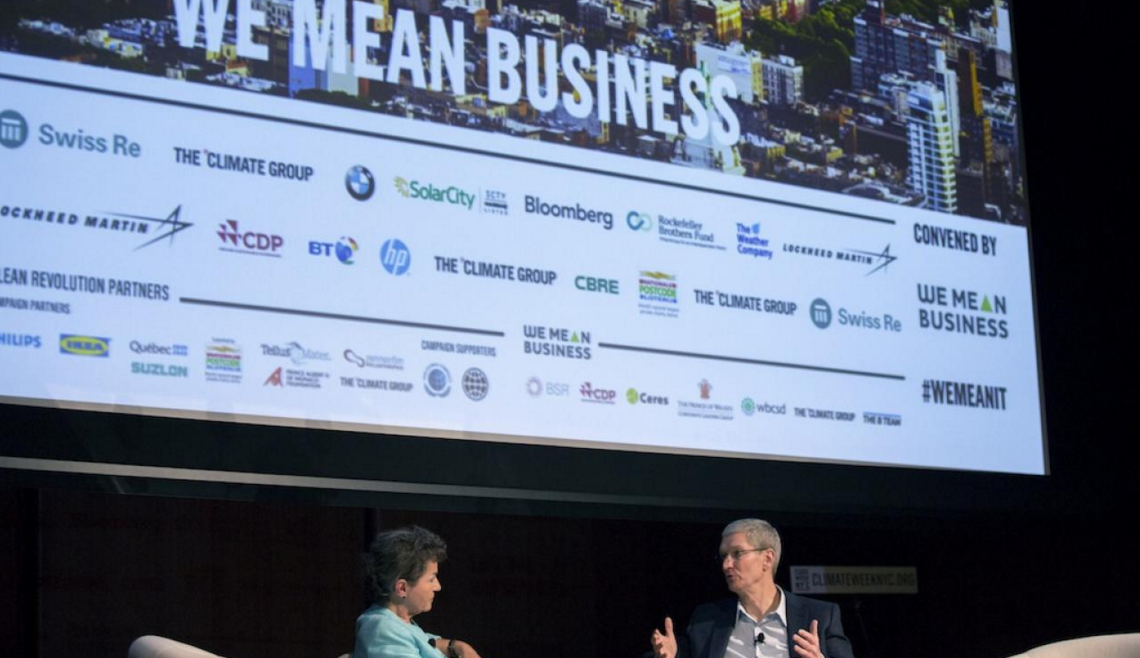
At UN General Assembly, global health projects are big business
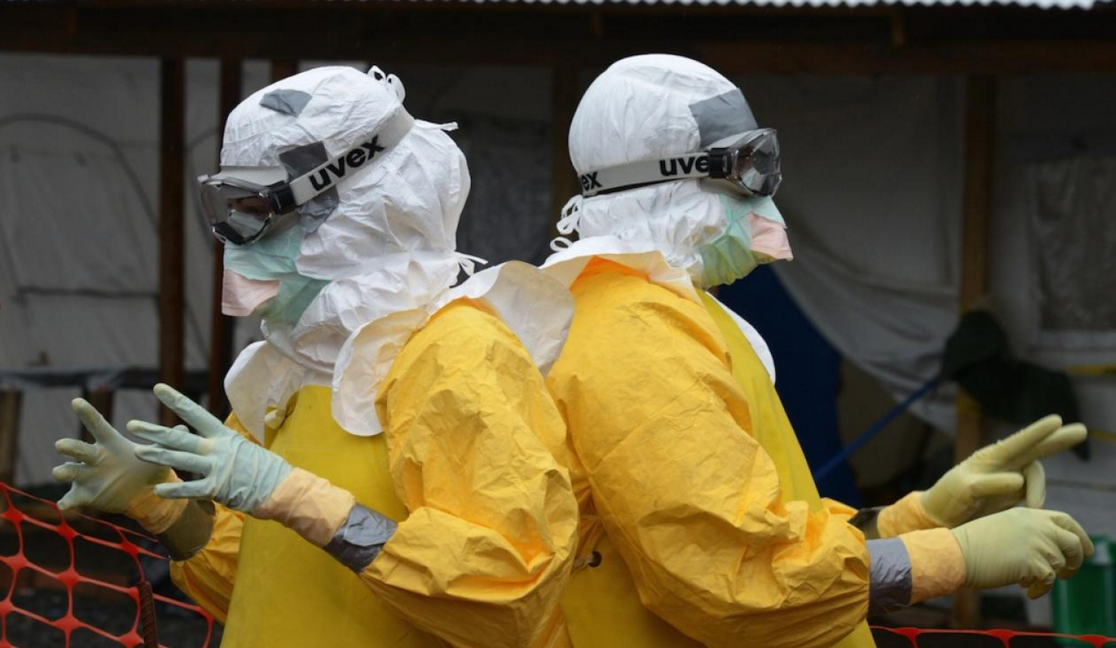
Two Ebola vaccines for health care workers expected as soon as November
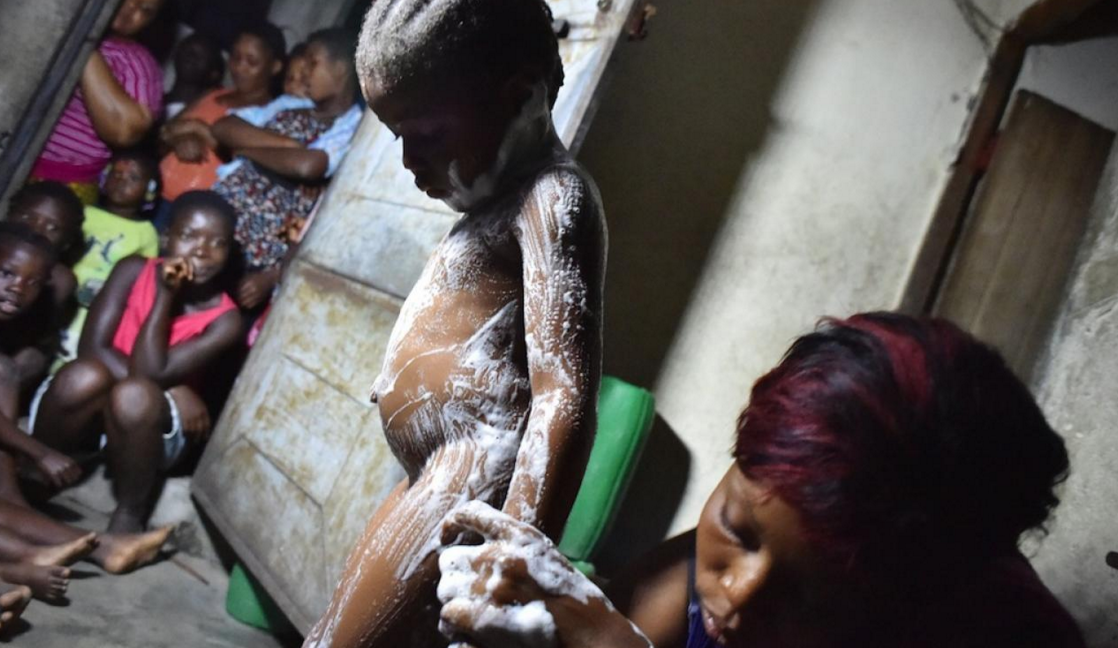
Eating three large onions will not cure Ebola (and dispelling other myths)
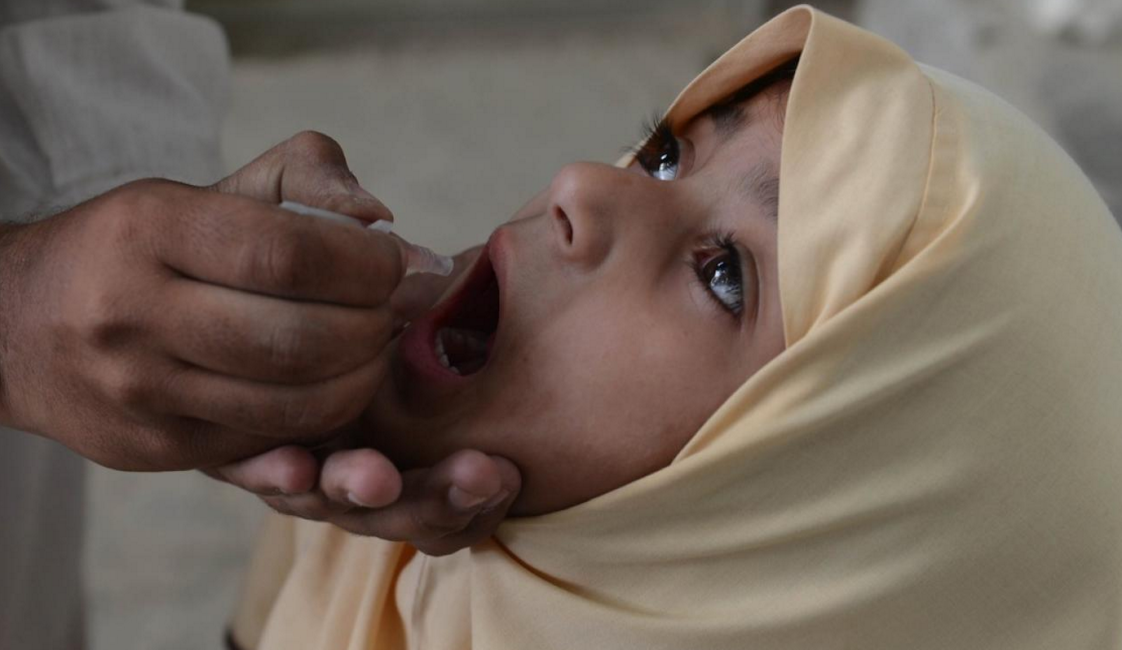
How polio is crippling Pakistan
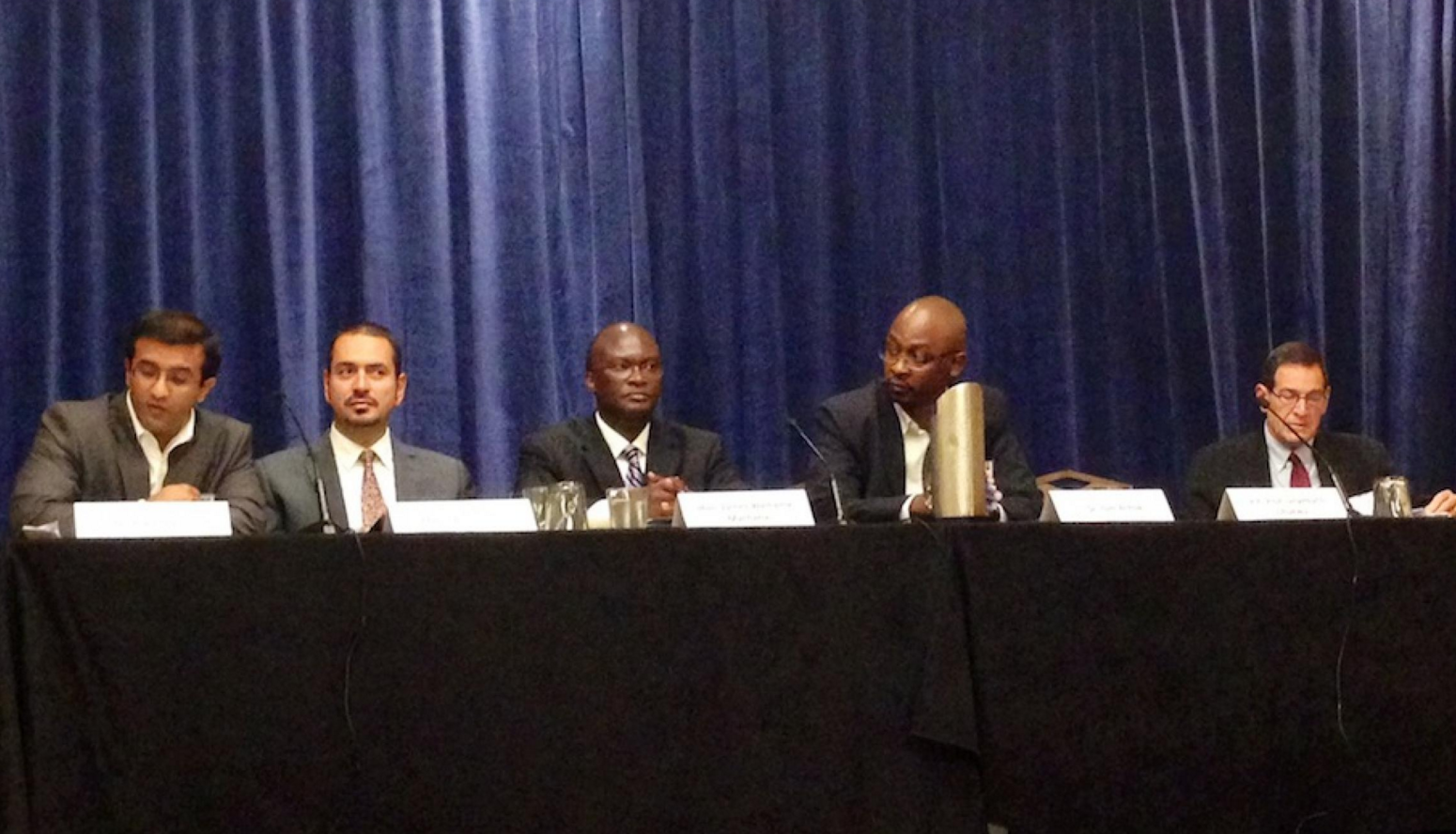
Africa’s next big health challenge: non-communicable diseases
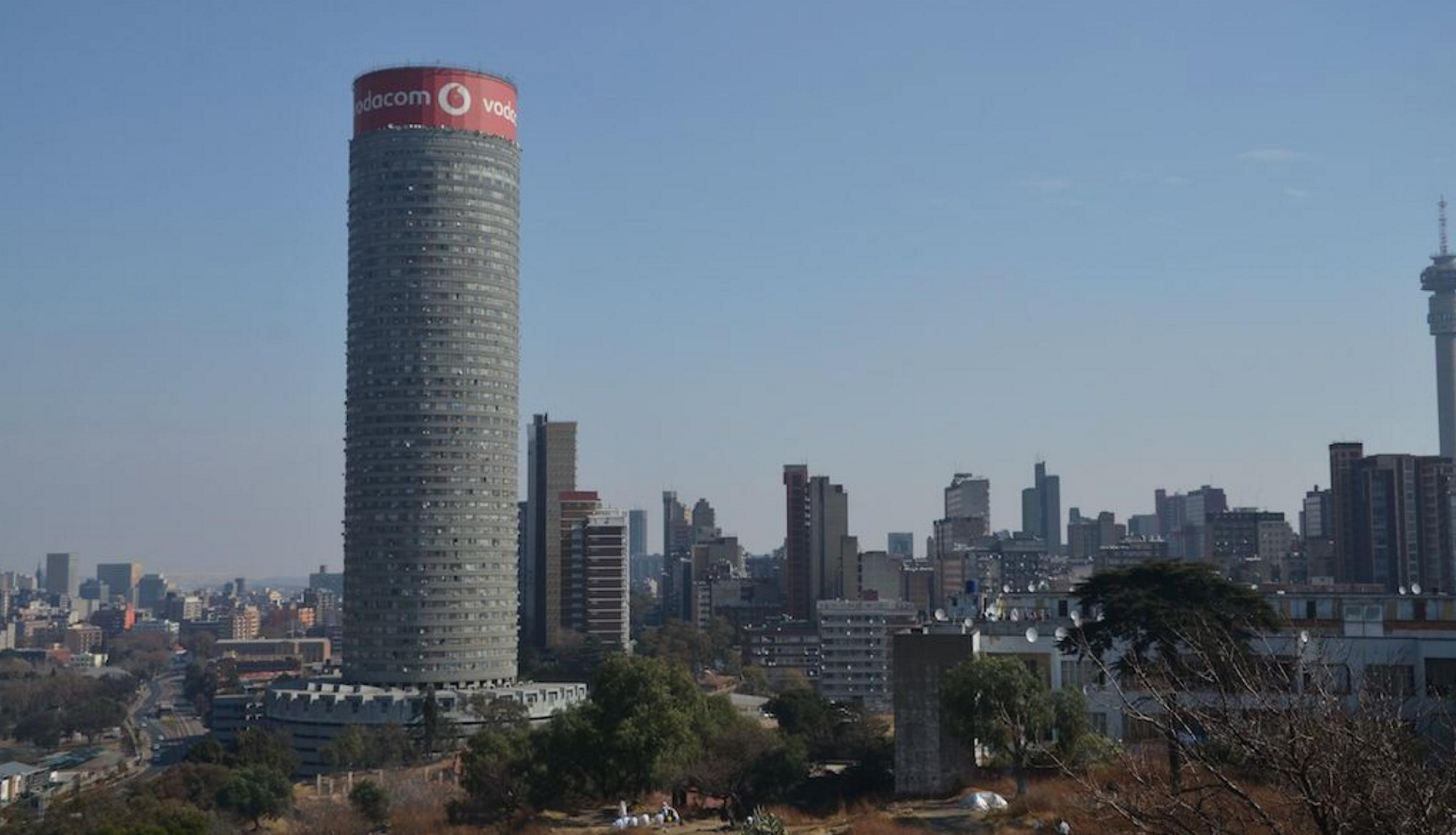
Mobile health unproven but not without potential in South Africa
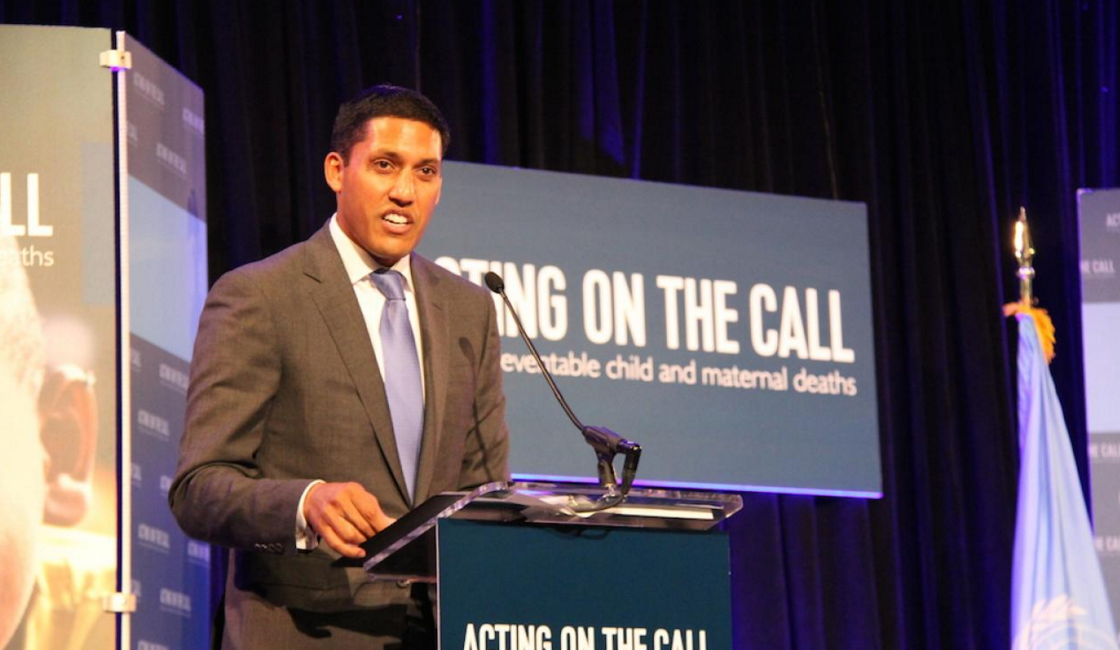
Public-private partnerships: A ‘win-win’ for global health?