Seoul on Edge
This week’s historic meeting of South Korean President Moon Jae-in and North Korean leader Kim Jong Un at Panmunjom — the blue-boxed “truce village” in the Demilitarized Zone — is the first time the South will welcome a North Korean leader past the border since the Korean War, which reached an armistice but not a treaty in 1953.
The rather abrupt shift from animosity to diplomacy brokered by President Moon around the Pyeongchang Winter Olympics is intended to lead to a one-on-one meeting between U.S. President Donald Trump and Kim sometime in June.
The three-way conversation between South, North and the United States is part of a complicated post-war legacy defined by military might, economic transformation and religious fervor that might finally be moving toward peace and renewal. GroundTruth in partnership with USC Annenberg‘s Knight Program in Media and Religion explores stories of faith, change and skepticism at a pivotal time for the peninsula.
— Kevin Grant and Kelly Kasulis
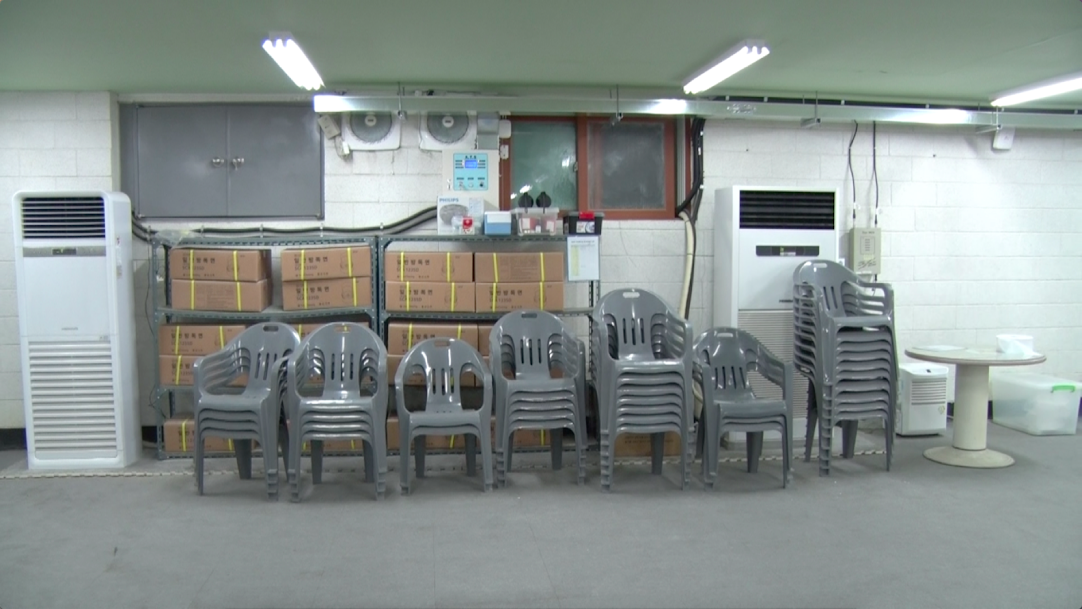
Military vehicles, bunker supplies and propaganda have been facts of life for this DMZ village
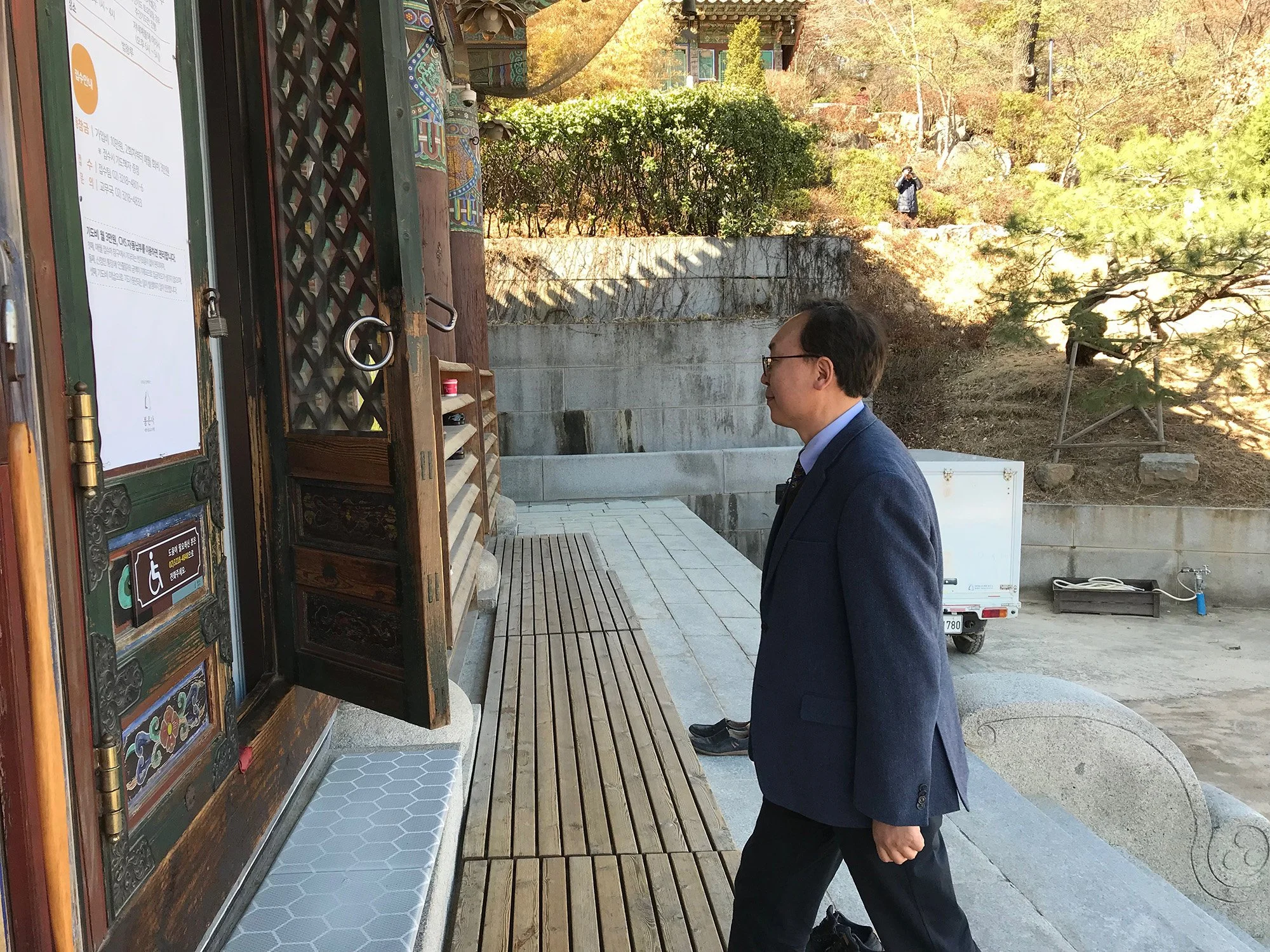
Why some religious leaders see resolving inter-faith conflict as a step to Korean reunification
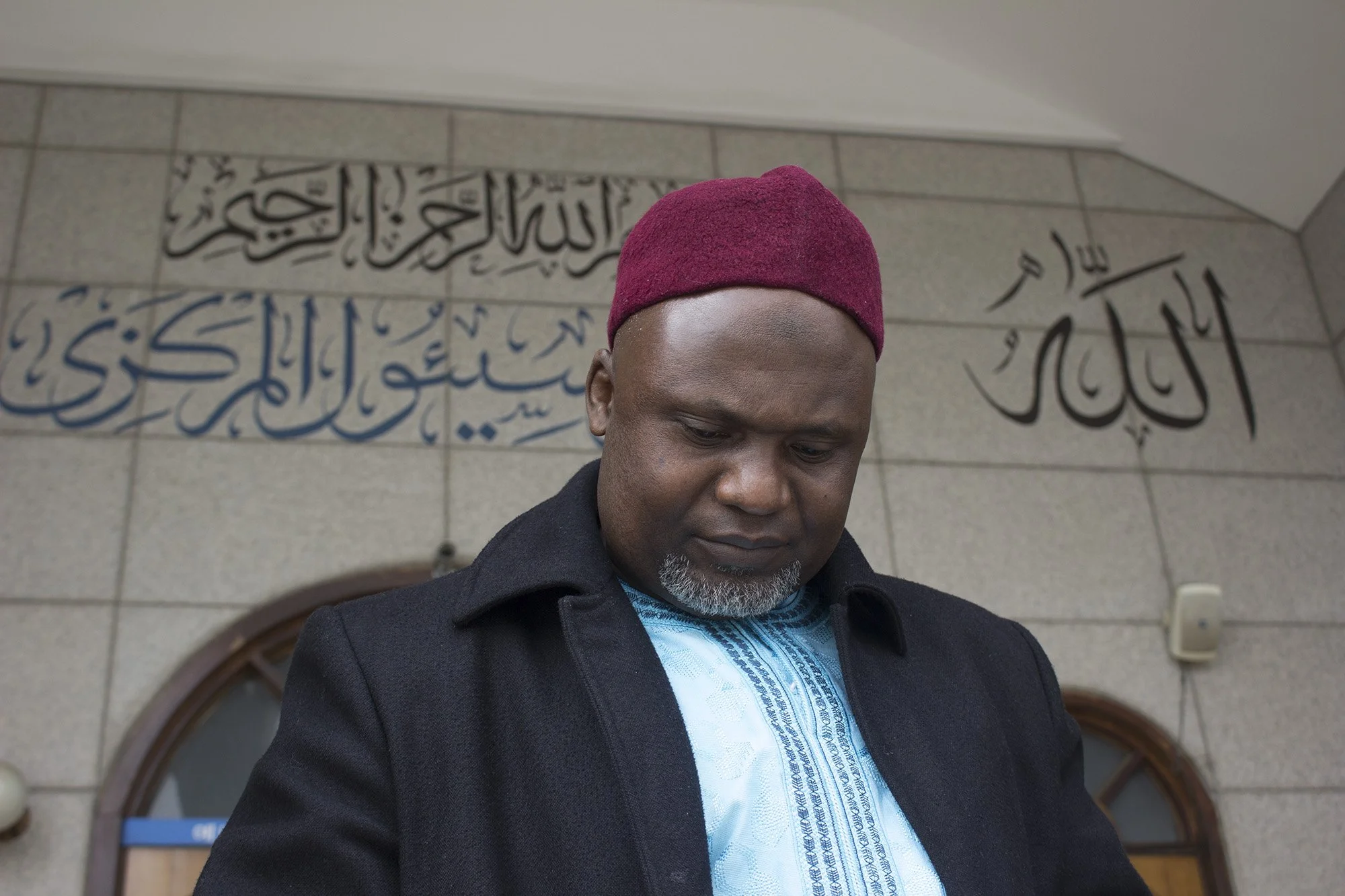
Life on Seoul’s ‘Muslim Street’
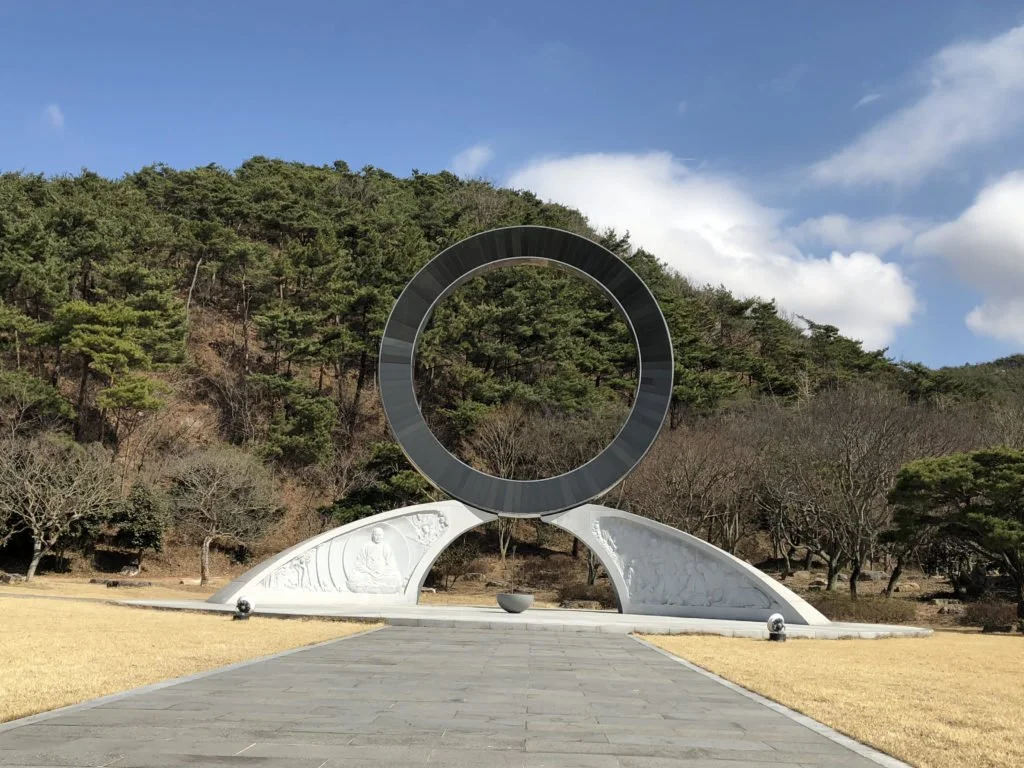
Followers of a Korean sect of Buddhism have kept up a decades-long anti-nuclear fight
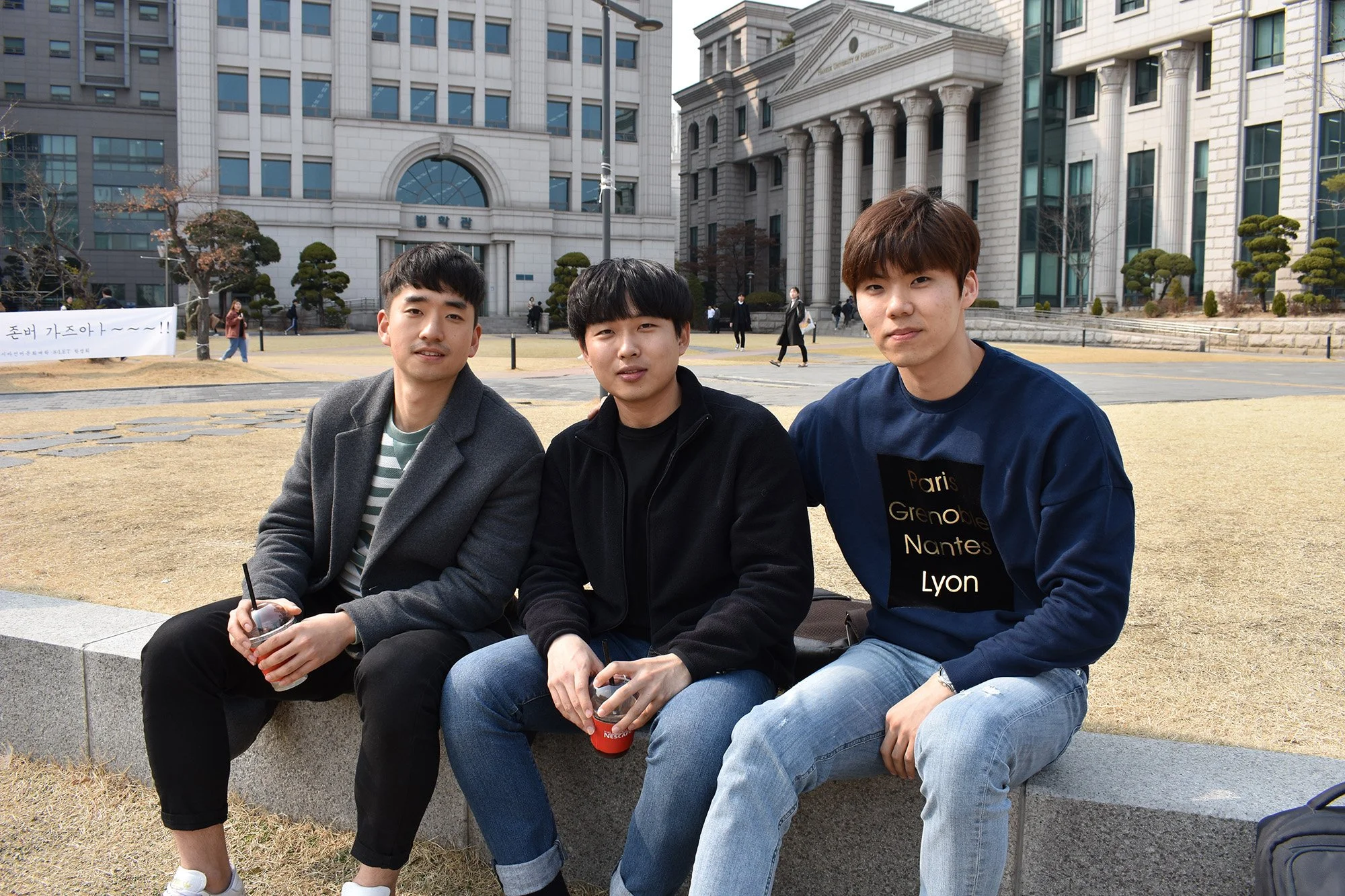
Korean churches lose young congregants, who view religion as irrelevant
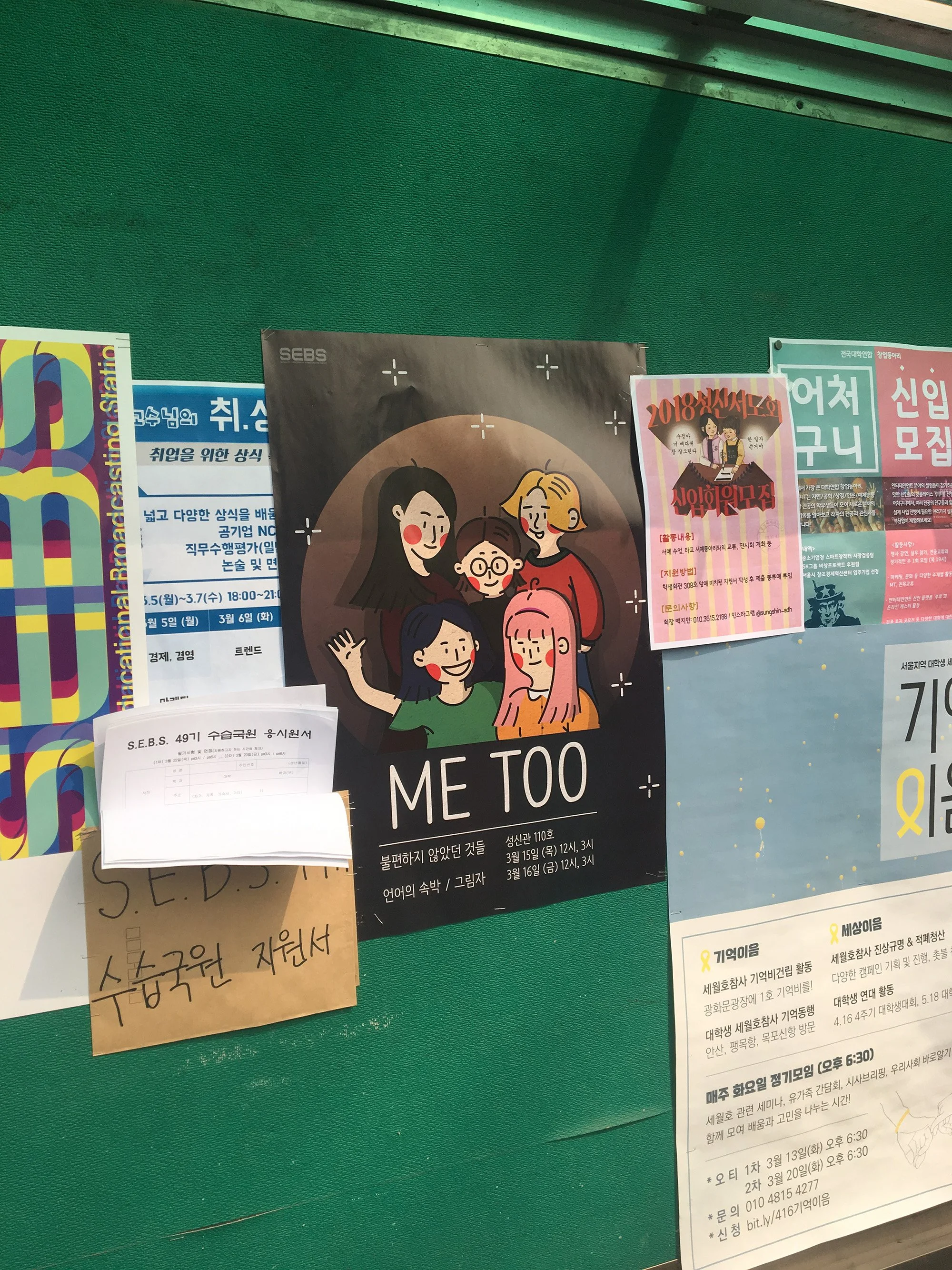
Churches filled with Korea’s youth embrace the #MeToo Movement
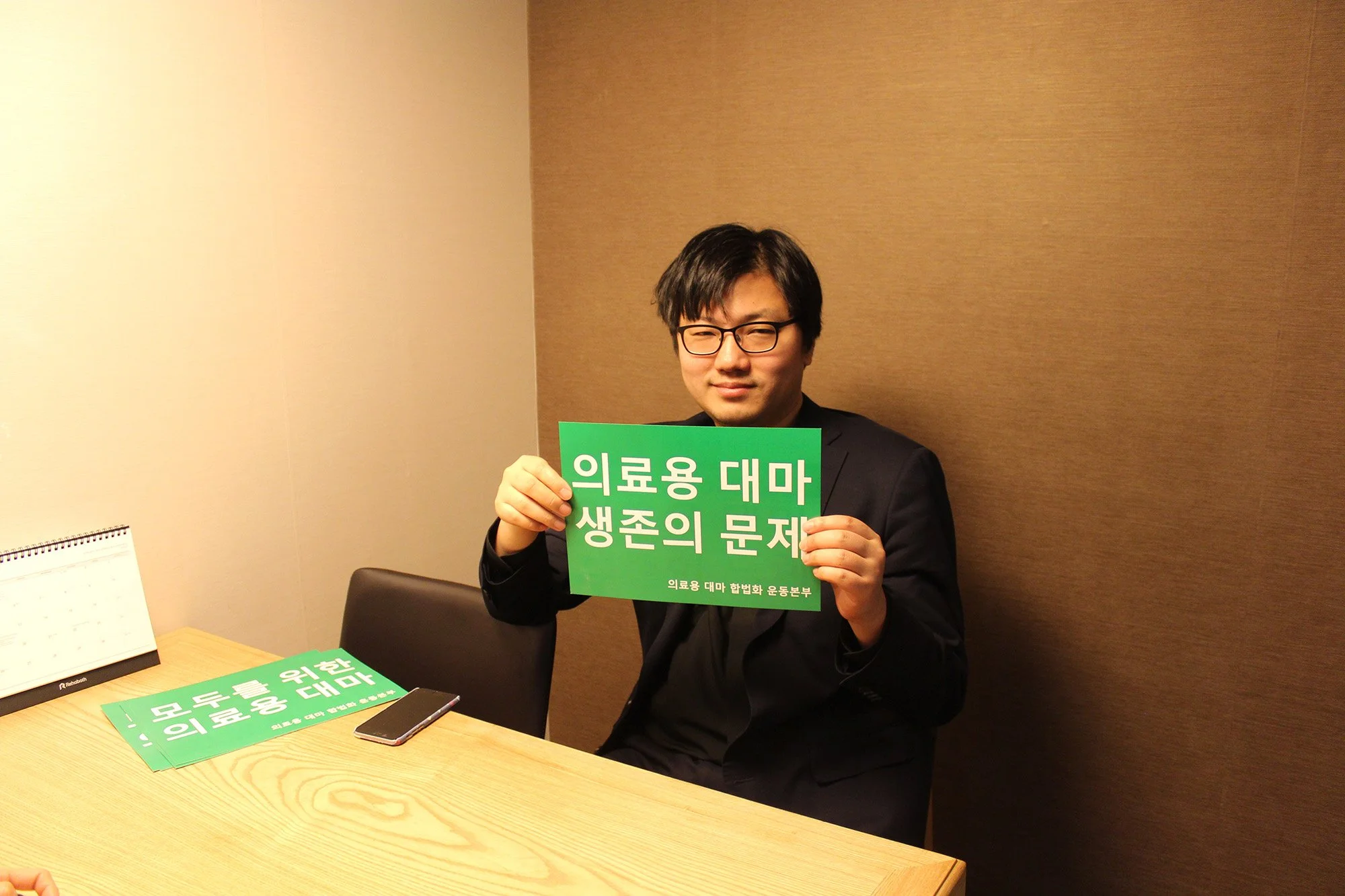
An unlikely advocate for medical marijuana legalization
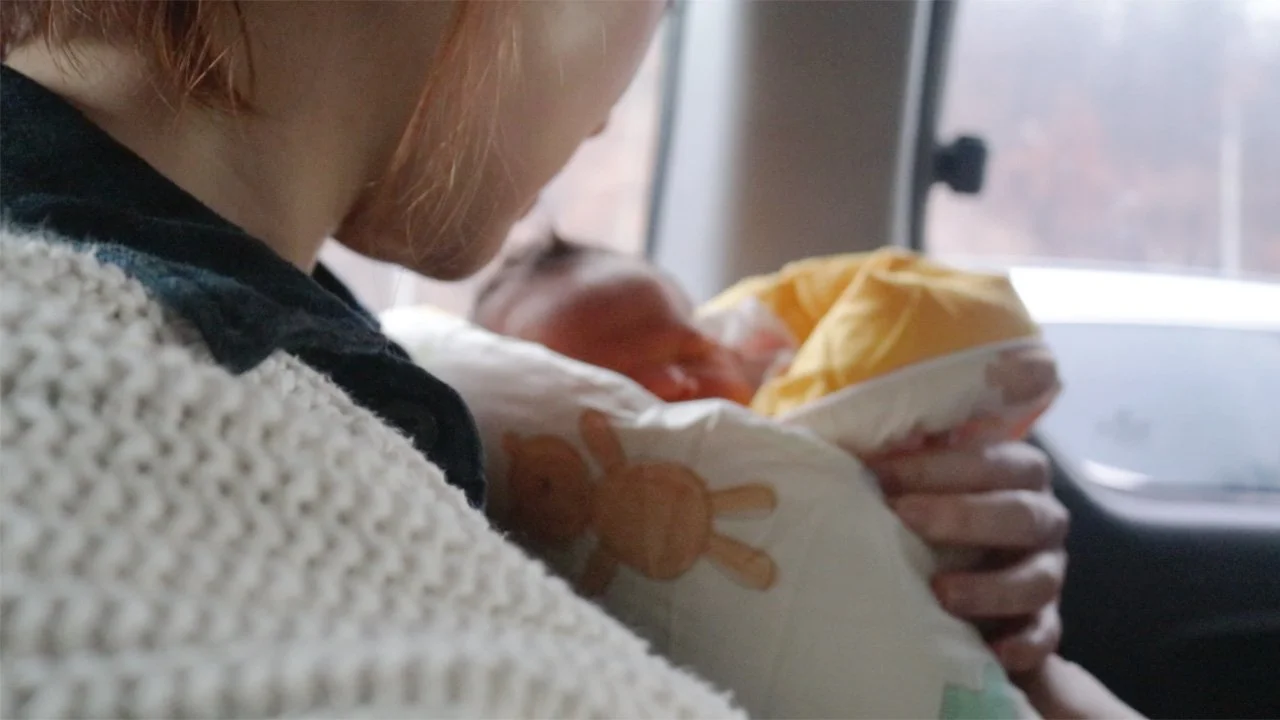
Korean orphans languish in system as tradition, new laws make adoption difficult
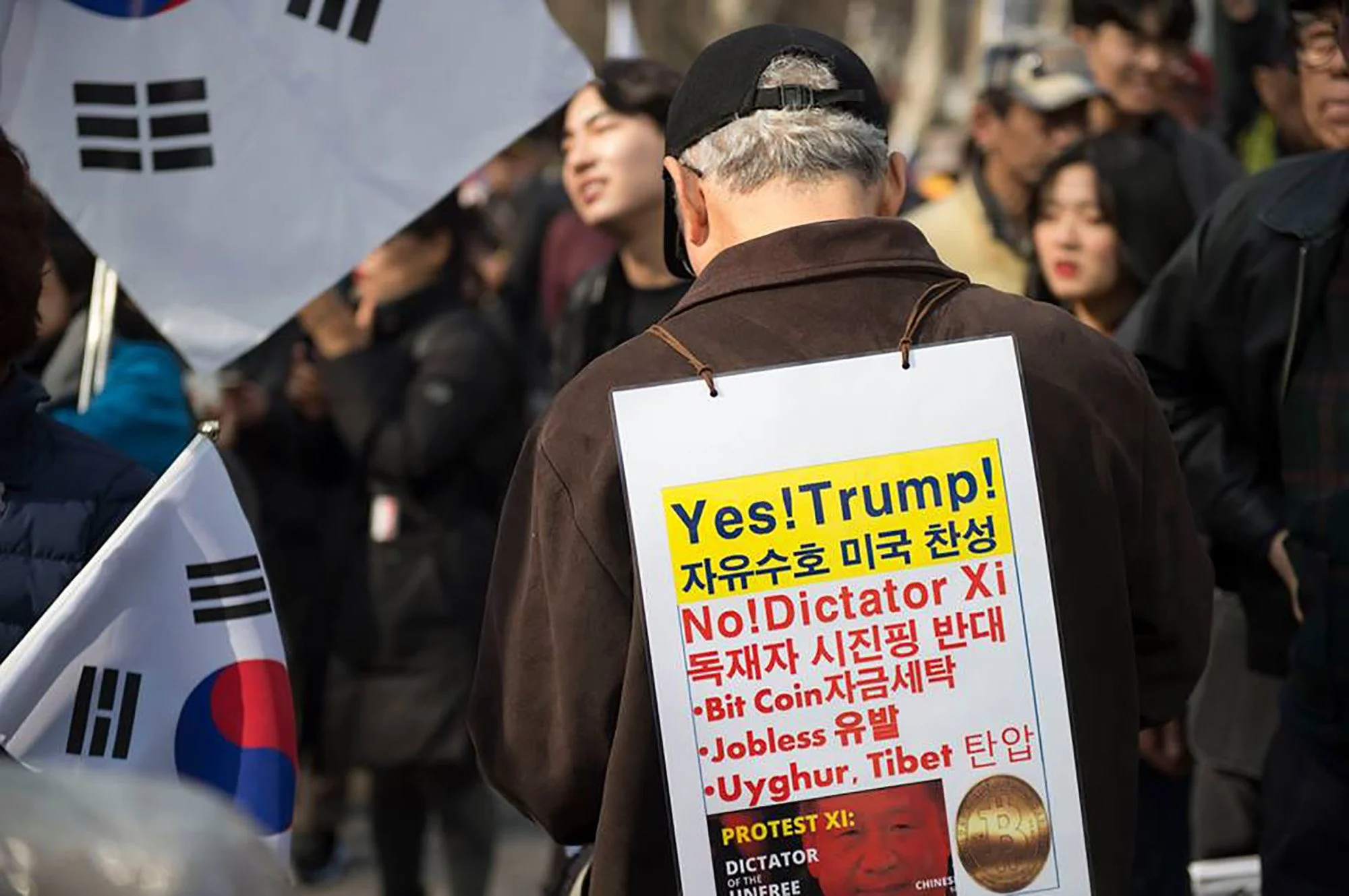
Introduction: Religious divisions in South Korea inform attitudes on North Korea, social issues
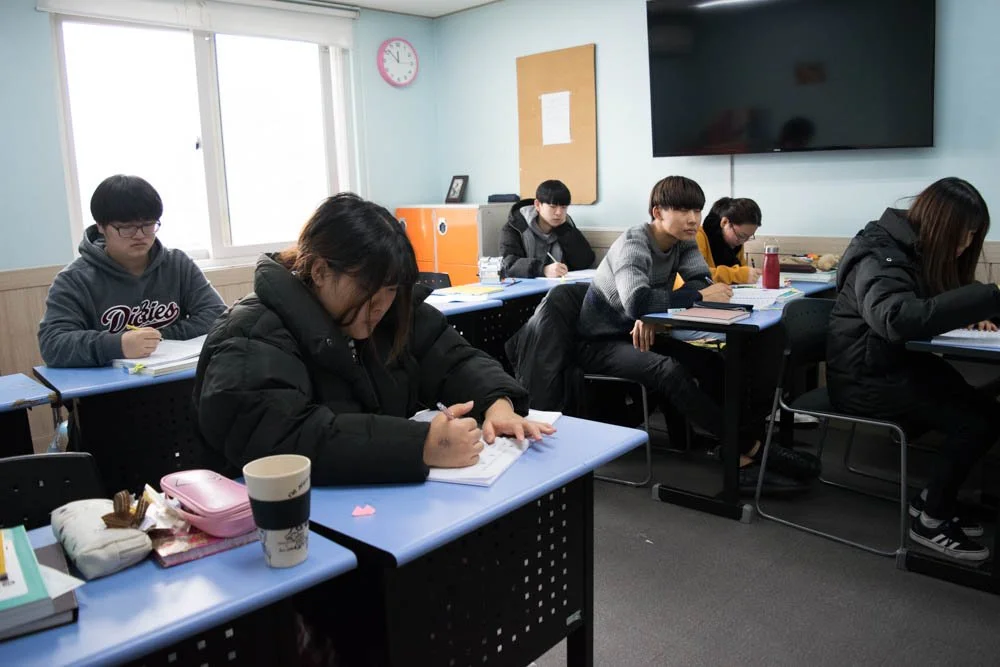
Why do South Korean Christians support North Korean defectors?
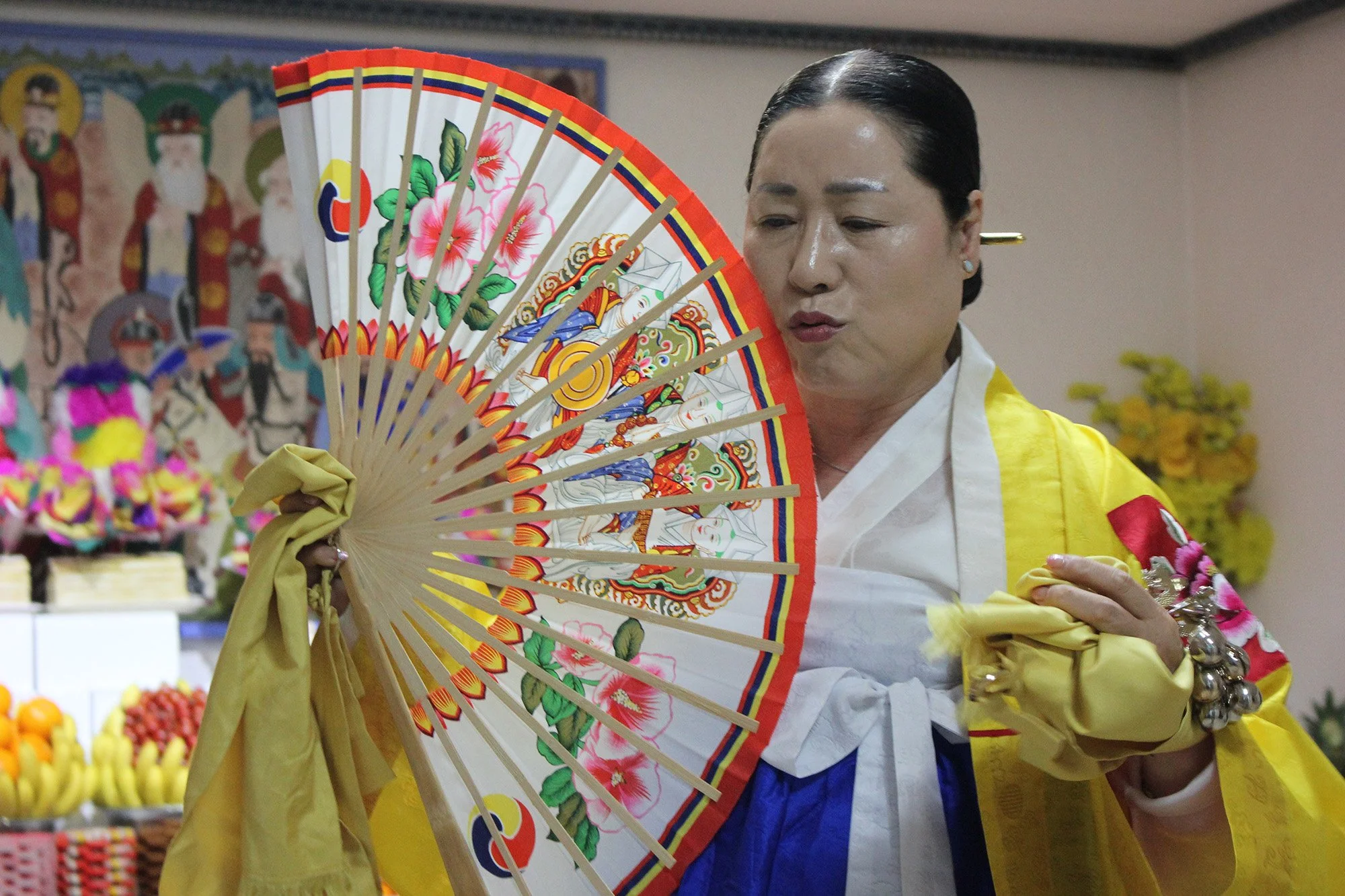
Amid economic and political tensions, shamanism regains popularity in South Korea